Exposing Big Fat Lies

The topic of fats is one of the most important, yet most misunderstood topics in nutrition. Being misinformed can be hazardous to your health, potentially increasing your risk of weight gain, heart disease, and numerous other health issues. So what’s the big fat problem?

The video below from one of my recent segments on Rogers Daytime Ottawa, will give you a glimpse into a few ‘big fat lies’. If you want to learn more after you’ve watched it, check out my pre-recorded webinar, ‘The Skinny on Fats: The Good, The Bad, and The Ugly’.

Take control of what you can!


Joint pain? Irritability? Fatigue? Cardiovascular issues? Fish oil can help!

Fish oil. Sounds delicious doesn’t it? Well, what if I told you there WAS a pure and mighty fish oil that delivered big on omega-3s AND was easy to enjoy?

Great! But what are Omega-3s?

Omega-3s are a type of fatty acid with many important health benefits, with a major one being their ability to reduce inflammation throughout the body. Omega-3s are classified as essential fatty acids. When a nutrient is classified as ‘essential’, it means that our body can’t make it, so we have to get it from our food.

The Source Matters

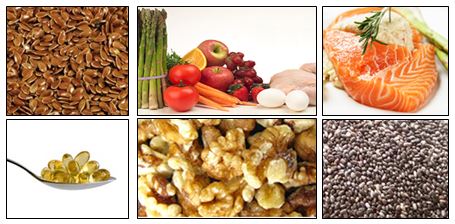
We can get omega-3s from non-animal sources such as flax seeds, chia seeds, walnuts, and cold-water fatty fish like salmon, sardines, mackerel and herring; however, not all sources of omega-3s are equal.

Omega-3s from non-animal sources are not in a very ‘user-friendly’ form; they have to be converted into a ‘ready-for-action’ form by various enzymes – and unfortunately some of us are deficient in these enzymes for a number of reasons, including the fact that their amounts typically decline as we age.

The most active and beneficial forms of omega-3s are called DHA and EPA, and the best way to get them is to eat cold-water fatty fish at least two to three times a week and/or to supplement with a pure, high-quality fish oil supplement.

You’re Likely Not Getting Enough

The average North American isn’t getting anywhere near enough DHA and EPA; in fact, most people should be getting five times more than they currently do! It would be challenging for most to get that much more DHA and EPA from eating fish – and since contamination with heavy metals, PCBs, and other chemicals is a concern with increased fish consumption, a great way to increase daily intake of DHA and EPA is through a supplement like Biotics Research Canada’s Biomega-3 Liquid. This liquid fish oil is easy to take and easy to absorb, and can be beneficial for:

  • Treating skin conditions
  • Calming inflammatory processes, including allergies and asthma
  • Supporting cognitive function
  • Reducing irritability and fatigue
  • Improving immune function
  • Supporting cardiovascular health, including lipid profiles
  • Weight management
  • Blood sugar balance
  • Hormonal balance

1 teaspoon of this powerful anchovy and sardine-based fish oil contains 740mg of EPA and 460 mg of DHA. It’s also soya free, naturally lemon flavoured, and preserved with rosemary extract.

Now you can order a 200ml bottle of Biomega-3 Liquid through through Perfect Resonance Natural Health Counselling for just $46 + HST = $51.98. At a dose of 1 teaspoon daily, this product provides about a one-and-a-half month supply.

To order, please email info@perfectresonance.com and put ‘FISH OIL’ in the subject line. You will receive a confirmation email with payment instructions when your order is ready for pick up through Perfect Resonance Natural Health Counselling, located in the Marshall Health Clinic at 2605 Carling Avenue, Ottawa ON. Shipping within Canada can also be arranged with pre-payment. Please note that this option will include additional shipping and handling costs; however, they can be waived if you place your order on the 3rd Wednesday of each month.

As always, whenever you start taking a new supplement, it’s important to let your doctor and/or other health care practitioners know, especially if you are on any medications.

Take control of what you can!

Flax Seeds vs Chia Seeds

Most of us aren’t getting enough omega-3s in to our meals and snacks. Flax seeds and chia seeds are an easy way to do this whether you are a meat-eater or a vegetarian. This video talks about some of the differences between these two small but mighty seeds, and gives you a yummy snack idea to enjoy their health-boosting goodness.

Are You Eating Inflammation-Promoting Oils?

In this month’s post, I’m going to share some inflammation-busting tips that are included in my pre-recorded webinar, The Skinny on Fats: The Good, The Bad, and The Ugly.  If you already own this webinar, this post will be a good review for you. In the webinar I separate fact from fiction regarding which fats and oils promote health and which ones do not. Fats are one of the most important yet most misdunderstood topics in nutrition, and being misinformed may lead to serious health consequences. If you don’t own this webinar yet, click here to order it. It may possibly be the best $20 you’ll ever spend on your health.

One of the topics that I cover in the webinar is that of Essential Fatty Acids, or EFAs. Specifically, I present some important information regarding the EFAs omega-3 and omega-6. EFAs have very critical roles in the body. They are referred to as ‘essential’ because the body cannot manufacturer them from anything else, so we must get them through our diet.

While both of these EFAs are critical to our overall health, numerous problems can arise when we consume too many omega-6s and not enough omega-3s. Unfortunately, this is a very common scenario in most people’s diets, and the result is that it sets the stage for inflammation, which is a key factor in virtually any health issue you can think of, including:
• Increased risk of cancer and cardiovascular diseases
• Immune system dysfunction
• Disruption of hormone production
• Depressed learning ability
• Reproductive and digestive disorders
• Joint pain as well as any other aches and pains
• Compromised growth

It’s All About The Ratio

omega 3 omega 6

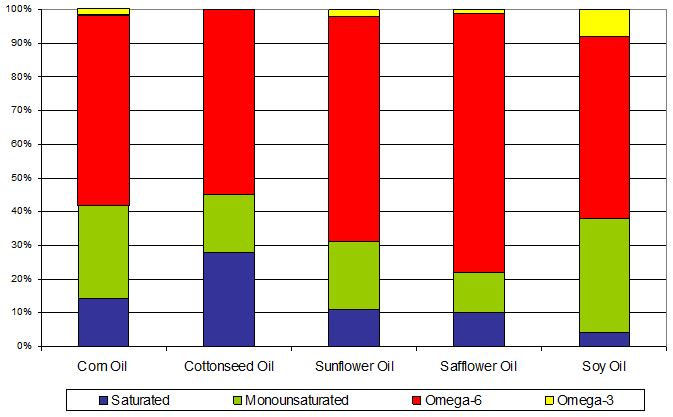
In a perfect whole food world, a health-boosting anti-inflammatory ratio of omega-6s to omega-3s would be around 3 to 1. In reality, it is more like 30 to 1. This seriously out-of-whack omega-6 to omega- 3 ratio is really bad news.

How did this imbalance happen? To answer this question, you just have to look at the above bar chart. The average grocery store and home pantry shelf are commonly both chock-a-block full of highly refined and processed oils that are high in omega-6s. The shelves are also loaded with packaged goods made with these oils, which include corn oil, cottonseed oil, sunflower oil, safflower oil, and soy oil. These oils contain significant amounts of omega-6 fatty acids and virtually no omega-3s.

a big fat problem

An additional concern with corn, cottonseed, and soy oil is that these crops are genetically modified (GM), and emerging research suggest that GM crops may be responsible for the increase in many escalating health issues – and don’t even get me started on “hearty-healthy” canola oil (another GM crop) – I talk about canola oil in the webinar too.

Correcting The Imbalance

omega 3 foodsThe good news is that you can turn this inflammation-promoting imbalance around. Here are four tips to help you do so:

  1. Avoiding the use of the omega-6-loaded oils, such as those mentioned earlier, when making your own meals and snacks. This is pretty straight forward since you have control over what oils you do your own food prep/cooking with. I offer some tips on which oils to use for different types of food prepping/cooking in The Skinny on Fats webinar.
  2. Avoiding processed, packaged, and fast foods since most of them are made with omega-6-loaded oils. This means you need to start reading labels and asking questions when you eat out, especially if you eat out a lot. Choosing more whole foods and fewer packaged and prepared foods will significantly decrease the amount of unhealthy oils you eat.
  3. Adding more omega-3 rich foods to your meals and snacks. Examples of omega-3 rich foods include: chia seeds, ground flax seeds, flax seed oil, raw, fresh walnuts (shelled or unshelled – and if they smell rancid, do not eat them!), fatty cold-water fish including salmon, mackerel, sardines and anchovies, and meat and dairy products from pastured (grass-fed and roaming) animals. Stay tuned for my Video of the Month where I’ll be talking flax and chia seeds!
  4. Daily supplementation with a high-quality omega-3 supplement. For most of us, the omega-6 to omega-3 imbalance is too big to turn around with food alone, and this is where omega-3 supplements are critical. I’ll be sharing a lot of important information about omega-3 supplements in a few weeks in my Product of The Month post; however, I’ll mention one important bit of information now. If you are taking a fish-based omega-3 supplement, choose one made with smaller fish such as sardines and anchovies. The smaller the fish, the lower it is on the food chain, so the less contaminated it will be.

I hope you’ll consider taking some inflammation-busting action with one or all four of these tips.

Take control of what you can!

Low Energy? Brain Fog? Feeling Down? You May Be Deficient in this Vitamin

Vitamin B12 – What Does It Do?

Vitamin B12 is one of the most important nutrients in our body. It is involved in the production of:

  • DNA, which is our body’s genetic code. DNA is the ‘bossypants’ for everything that happens in our body
  • Red blood cells, which carry oxygen to every cell of our body so that they can make energy and function properly, Without healthy cells, you cannot have overall health
  • Myelin, which is a fatty substance essential to our nervous system. It helps nerve impulses travel quickly and properly throughout all parts of our body, including our brain

What Are Some Signs and Symptoms of a Vitamin B12 Deficiency?

The first sign of a B12 deficiency is typically low energy, sometimes combined with feeling down. Years ago I attended a presentation given by a medical doctor who said that billions of dollars are wasted on undiagnosed vitamin B12 deficiencies, especially in the area of depression.

Who is at Risk for Vitamin B12 Deficiency?

Potentially, anyone could be at risk for B12 deficiency; however, some individuals are at higher risk, including:

  • Anyone over 40, as production of hydrochloric acid typically declines at this age (if not sooner due to the typical North American Diet which is hard on the stomach!)
  • Vegans and vegetarians
  • Overweight or obese individuals
  • Individuals with digestive system issues and/or diseases, including Crohn’s Disease
  • Individuals with neuromuscular issues

How Should You Take Vitamin B12?

Vitamin B12 is a very complex molecule and absorbing it from our digestive tract is not a straightforward process. Proper absorption requires a substance produced in the stomach called ‘intrinsic factor’. The production of instrinsic factor requires proper amounts of hydrochloric acid, also produced in the stomach. Unfortunately, most people do not produce enough hydrochloric acid, which means they don’t produce enough instrinsic factor, which means they’re not absorbing vitamin B12 – even if they are eating foods that contain decent levels of it (e.g. meat, fish, poultry, most animal products), or taking the vitamin in a pill form that is swallowed. A few hints that you’re not making enough hydrochloric acid include feeling bloating, having indigestion, and experiencing heartburn/acid reflux.

In order to bypass the roadblocks associated with absorbing vitamin B12 from the digestive system, it is often recommended to take B12 as a sublingual (under-the-tongue) lozenge or via an intramuscular injection (a needle in your butt or elsewhere).  Interestingly, although physicians have previously relied on intramuscular injections of vitamin B12 for patients who are deficient in this vitamin, research has shown that patients can achieve higher blood levels of B12 when administered orally. (1)

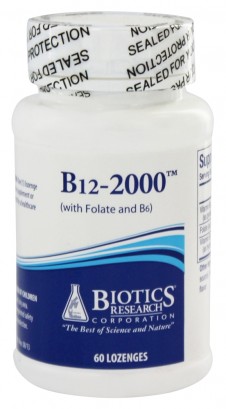
b12A brand I have had great results with is Biotics Research Canada’s B-12 2000 mcg lozenges. These cherry-flavoured lozenges are easy to take. Biotics uses hydroxocobalamin for oral use instead of a methyl source so as not to interact (methylate) with mercury amalgams (mercury tooth fillings).

In addition to 2000 mcg of B-12 as hydroxocobalamin, each lozenge also contains, 800 mcg of folate, and 2 mgs of  B-6 phosphate (P-5-P).

Please note that it is best to take B12 (and other B vitamins) earlier in the day as they are stimulatory in nature. Take them too late in the day and you may have trouble sleeping.

Now you can order a 60-lozenge bottle of B-12 2000 mcg through Perfect Resonance Natural Health Counselling for just $37 + HST = $41.81.  At a dose of 1 lozenge daily (2000 mcg/day), this product provides a 2 month supply.

To order, please email info@perfectresonance.com and put ‘B12’ in the subject line. You will receive a confirmation email with payment instructions when your order is ready for pick up through Perfect Resonance Natural Health Counselling, located in the Marshall Health Clinic at 2605 Carling Avenue, Ottawa ON.

As always, whenever you start taking a new supplement, it’s important to let your doctor and/or other health care practitioners know, especially if you are on any medications.

Take control of what you can!


References:

1 – Kuzminski AM, Del Giacco EJ, Allen RH, Stabler SP, Lindenbaum J. Effective treatment of cobalamin deficiency with oral cobalamin. Blood. 1998 Aug 15; 92( 4): 1191-8

Roasted Cauliflower

I try to avoid starchy side dishes such as rice and potatoes. An easy, delicious and nutritious alternative to both is cauliflower. In this recipe, I’ll be showing you how to make roasted cauliflower as a substitute for roasted potatoes. It’s super-easy, delicious, and packs a greater nutritional punch compared to roasted potatoes. I hope you’ll give it a try! This recipe takes about 30 minutes in prepping and cooking time and will make approximately 4 -6 side servings (depending on what else you’re serving). By the way, if you haven’t tried my Rice-free Cauliflower Fried Rice recipe, you can find it here!  Enjoy!

What You’ll Need:

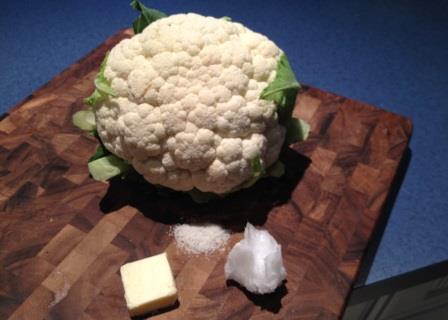
ingredients WEB

  • One head of cauliflower
  • 2 TBSP of butter
  • 2 TBSP of coconut oil
  • 1/2 teaspoon unrefined sea salt or crystal salt
  • Turmeric or curry powder (or both!), and fresh parsley or cilantro (or both!) – all optional, but delicious … and make for a more colourful dish! You can use any spices or herbs you would enjoy
  • A baking sheet and parchment paper

Prepping:

Cauliflower oil salt for WEB

  • Preheat oven to 350F
  • Put the butter, coconut oil, and salt in a small container that can go in the oven, and then put the container in the oven so the butter and coconut oil melt
  • In the meantime, break the cauliflower up in to florettes and put them in a large mixing bowl. Try to make the florettes about the same size so they all cook evenly – you want largish bite-sizes…similar to what you would see when cauliflower is served up raw as part of a veggie dip platter. You may have to cut some of the florettes in half. Hopefully the photos I’ve posted will give you an idea.
  • Line the baking sheet with parchment paper
  • Once the butter/coconut oil/salt mixture has completely melted, drizzle it over the cauliflower florets in the mixing bowl and toss to coat well

Roasting:

cauliflower on baking sheet WEB

  • Spread the florettes out on the baking sheet so that they don’t touch (use a 2nd baking sheet if you have to) and put in the oven on the middle rack
  • Half-way through the cooking time, toss/turn the florettes. I usually use a big spatula and flip bunches of them over.
  • Roast for another 10 minutes or until the cauliflower is a nice golden-brown colour, then remove from oven. It should look something like this:

cauliflower roasted on sheet WEB


Serving:

serve WEB


  • Serve as is or top with spices and chopped up fresh herbs as shown in the feature photo at the top of this page

Enjoy!


Preparing Artichokes

In this video you’ll learn how to prepare fresh artichokes as well as the many health benefits they offer.

IMG_9304

Privacy Policy

Website Maintenance and Services by Andrew Wardell