Can Food Affect Your Sleep?

I recently read an article entitled “Nutrition and Sleep: The Best and Worst Foods for Quality Rest” (1). The article lists several common nutrition-related Do’s and Don’ts for better sleep including:

DO’S

  1. Eat a balanced dinner e.g. a combo of healthy proteins, high-fibre carbs and veggies 
  2. Eat foods that promote serotonin production such as animal-based foods, oats, nuts, and seeds
  3. Eat around 3 hours before bedtime

DON’TS

  1. Avoid caffeine, sugary drinks, and alcohol before bed
  2. Don’t eat dessert close to bedtime
  3. Don’t overdo late-night indulgences

These are all good suggestions and there’s no doubt that what and when we eat (and drink!) can affect our sleep. Unfortunately, many people’s typical eating and drinking habits have a negative effect on their sleep and overall health – and these two are closely related.

The Importance of Sleep

Getting proper sleep (hours of sleep and the right amount of sleep in the various stages of sleep, i.e. REM and non-REM) is a key factor to our overall physical and mental health. It’s also interesting to note that when we don’t get proper sleep, we often reach for sugar-and-caffeine laden foods and drinks during our waking hours to give us an ‘energy boost’ … but what quickly goes up, also quickly crashes down, setting the stage for more sugar and/or caffeine cravings and a roller coaster of energy throughout the day.

Recently, a study was released suggesting that falling asleep between 10pm and 11pm is critical for overall health, in particular cardiovascular health. Check out this excerpt from the study (2):

Compared to sleep onset from 10:00 to 10:59 pm, there was a 25% higher risk of cardiovascular disease with a sleep onset at midnight or later, a 12% greater risk for 11:00 to 11:59 pm, and a 24% raised risk for falling asleep before 10:00 pm. In a further analysis by sex, the association with increased cardiovascular risk was stronger in women, with only sleep onset before 10:00 pm remaining significant for men.

Dr. Plans said: “Our study indicates that the optimum time to go to sleep is at a specific point in the body’s 24-hour cycle and deviations may be detrimental to health. The riskiest time was after midnight, potentially because it may reduce the likelihood of seeing morning light, which resets the body clock.”

It was interesting for me to see a study stating this as it is one of the first things I learned when I started my nutrition studies almost 20 years ago. I recall being told that it was likely linked to the fact that we can have a second surge of cortisol (our stress/alert hormone) after 11pm, making it difficult to fall asleep or have a restful sleep.

Beyond the ‘Do’s and Don’ts’

Unfortunately, it’s still possible to have sleep issues even if you are following the nutrition-related do’s and don’ts for better sleep as there are so many other factors at play, for example, stress, shift-work, hormonal imbalances, sleep apnea, not getting enough daily exercise, not getting enough daily fresh air, and not getting enough natural sunlight exposure, which is especially important early on in the day to reset our body’s internal clock. Hmmmm … sounds like going for an early morning walk/bike ride on a trail would take care of the last 3 items!

It seems that just about everyone has sleep issues at some point in their lives, and if following the above tips doesn’t help (along with those listed in a blog I wrote on sleep tips over 10 years ago … wow … time flies!),  there are numerous supplements that can help with sleep; however, finding the one that works best for you is often a process of trial and error.

Here are a few that I am familiar with and that work for many of my clients:


This product contains hydrolyzed casein and may be helpful for sleep issues associated with chronic mild stress.
This product contains valerian, hops, and passionflower – 3 herbs that are often cited to help with nervousness, irritability, and insomnia.
This organotherapy and homeopathic preparation comes in a spray (sublingual) format and contains Avena sativa, Chamomilla, Helleborus niger, Ignatia amara, Melissa officinalis, Phosphorus, pineal gland, Pulsatilla, and Valeriana officinalis (all 30K) in a base of 20% alcohol and 80% water.
This product contains magnesium bis-glycinate, GABA, and melatonin in a formulation designed to help people relax, reset their circadian biological clocks, and get better sleep.

All of the above are available through Perfect Resonance Natural Health Counselling. Simply email info@perfectresonance.com for more information or to request an order. Please check with your doctor or pharmacist before taking any sleep supplements, especially if you are on any medications related to the treatment of sleep issues, anxiety, and/or depression, or any other psychiatric or psychotropic medication.

Take control of what you can!

References:

(1) https://www.cnet.com/health/sleep/nutrition-and-sleep-the-best-and-worst-foods-for-quality-rest/
(2) https://www.escardio.org/The-ESC/Press-Office/Press-releases/Bedtime-linked-with-heart-health

Cilantro-Lime-Jalapeno-Garlic Dressing/Dip

I first tried this dressing at a family celebration in Nova Scotia this summer. It was served on the side, to be drizzled over a roasted vegetable salad. I love roasted veggie salads and I LOVE cilantro, so this sounded like a winning combination to me … and it certainly was!

The hostess was kind enough to contact her friend who brought the salad and dressing and got the dressing recipe for me (if you are reading this, thanks Roxanne!).

I have made it several times. The first time, I made it exactly as it was written. Since then, I’ve experimented a bit by adding chickpeas and/or using an avocado instead of the mayo to make it a thicker dip rather than a dressing.  I’ve also added more or less garlic, and/or jalapeno, and/or lime juice, and/or salt. It has been delish every single time. Suit your taste!

I’ve used it as a veggie dip, as a salad dressing, and as a condiment with grilled chicken and fish. It would also be great as a taco or nacho topper! 

If you like cilantro, you’ll love this dressing/dip. The recipe makes a very generous cup, and it keeps well in the fridge for up to a week … as long as you don’t add any avocado. Avocado can taste a bit funky after a few days of being mixed into anything. 

By the way, cilantro isn’t just delicious – it also delivers significant  health-boosting actions. Cilantro is touted as having potent anti-inflammatory and antimicrobial properties. It also has significant chelating properties, which means it can bind to heavy metals that can then be eliminated through the body’s regular excretory channels. Cilantro is often used in heavy metal detox protocols and has been cited to have a particularly strong affinity for mercury.

You Will Need:

  • 1 bunch of fresh cilantro. Cut off roots, wash thoroughly, dry thoroughly (I put it in a salad spinner to dry it)
  • 1/2 cup of extra virgin olive oil
  • 1/2 cup of mayo – look for ones made with healthy oils (e.g. not canola/vegetable oils) 
  • 1 TBSP apple cider vinegar – use Braggs – the good stuff!
  • Fresh squeezed  juice from 1 lime
  • 1 -2  jalapeno peppers. Cut lengthwise, remove and discard the seeds, then coarsely chop the pepper. Wash your hands afterwards! Those seeds are hot! I don’t like things very spicy, so I’ve only ever used one jalapeno pepper
  • 2 garlic cloves, peeled and coarsely chopped
  • If you want a thicker dip, add 4 or 5 heaping TBSP of chickpeas or some ripe avocado. You can even completely replace the mayo with a small ripe avocado.

Step 1: Blend

Put all the ingredients in a blender and blend away! You may have to scrape down the sides a few times to ensure a nice smooth texture.

Step 2: Serve or Store

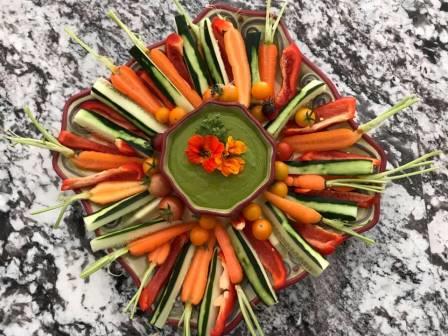
Serve as a salad dressing, veggie dip, or condiment to grilled chicken, fish, tacos … and on anything else you think it would go good with! In the above photo, I used it as a veggie dip. The cilantro and the veggies were all from my garden. Love harvest time!

I find it gets tastier as the ingredients have a chance to mingle, so make it a few hours – or even a day – in advance! Here’s a batch I made today to use for tomorrow. Such a gorgeous colour!

Enjoy!

Nutrameltz – Exciting Supplement News!

I’m excited to let you know about a super easy new way to take supplements called Nutrameltz.

Nutrameltz supplements come in a variety of fruity flavours in the form of Fast Dissolving Tablets (FDT). What are FDT and what’s the big deal about them? Keep reading then watch the video at the end of this blog to find out! 

Benefits of Fast Dissolving Tablets (FDT)

FDT dissolve quickly when they come in contact with the saliva in your mouth. The benefits of FDT include:

  • Convenience – You don’t need water to take them. Just place the tablets in your mouth and let them melt.
  • Absorption – Since the tablets are orally absorbed (that is, you don’t swallow them), there’s no stomach irritation, they’re not affected by gastric fluids, and they’re 100% bioavailable.
  • Compliance – In the case of Nutrameltz FDT, not only are they easy to take, they also taste great! This combination makes them a perfect alternative for children, the elderly, or anyone who doesn’t like/has trouble swallowing capsules or tablets. 

So far, I’ve tried Nutrameltz vitamin D3, B12 max, and vitamin C + zinc and I love them all.

More Great News about Nutrameltz

Not only are Nutrameltz easy to take, they’re also easy to take along with you wherever you go as they come in small, compact boxes containing 4 blister pack sheets.

Each slim blister pack sheet contains 15 tablets … I’m thinking that’s perfect to pack for a 2-week vacation which we can all hopefully take soon!

Want more good news? Nutrameltz are gluten-free, gelatin-free, calorie-free, Kosher/certified Halal, and have no added preservatives or colours  … and they’re made in Canada (in Ontario in fact), using manufacturing standards that ensure purity, potency, and safety.

Does Nutrameltz Have What You Need?

Here is the current Nutrameltz product line that I can make available to you (with more coming soon):

  • Carbonyl Iron (18mg) – blueberry flavour
  • Zinc (25 mg) – lemon flavour
  • Multivitamin/mineral – mixed berry flavour
  • Vitamin D3 (1000 IU) – mixed berry flavour (vegan option also available made from whole cladina rangiferina)
  • Calcium + Vitamin D3 – strawberry flavour
  • Vitamin C (250 mg) – orange flavour
  • Vitamin C (75mg)  + Zinc  (25 mg)– orange lemon flavour
  • Melatonin (5 mg or 10 mg) a – cool mint flavour
  • Vitamin B12 (1000 mcg or 5000 mcg)– strawberry kiwi flavour (B12 is methylcobalamin form)
  • Folate L-MTHF (1000 mcg/1 mg) – lemon flavour
  • Biotin (500 mcg or 5000 mcg)– cherry flavour
  • CoQ10 (100 mg) – raspberry lemon flavour
  • Vitamin K2/menaquinone-7 (100 mcg) – coconut flavour
  • Nicotine (2 mg or 4mg) – peppermint flavour
  • Digestive Enzymes
  • Magnesium bisglycinate (200 mg) – raspberry lemon flavour
  • Vitamin B complex
  • Vitamin A (500 IU)

The retail prices (as of Jan 2022 – subject to change) range from $15.99 to $21.99 depending on the product – and at a dose of one tab per day, one box will last 60 days (note that dosage may vary depending on individual needs – consult a nutritionist like yours truly).

If a Picture Speaks a Thousand Words …

…. then check out this one-minute video to learn more about Nutrameltz:

Have more questions or interested in placing an order (in Canada only)? Email info@perfectresonance.com

Taking control of what you can has never been so easy!

Twelve Days of Christmas Recipes

With the holiday season around the corner, I thought it would be timely to share some of my favourite recipes for this time of year. There’s something for everyone, and for every occasion, including soups & starters, appetizers, side dishes, a one-pot chicken curry, treats (including an easy no-bake recipe), and a festive breakfast idea … and they’re all gluten-free! In no particular order, here they are. Just click on the recipe title to get the recipe!

#1 – Leek and Cauliflower Soup

I love making this soup any time of year, and its festive red and green garnishes are perfect for the holidays!

#2 – Kale and Sweet Potato Casserole

Skip the potatoes this year and try this delicious and nutrient-packed casserole. Don’t like sweet potatoes or kale? The try this Cheesy Cauliflower and Spinach Casserole.

#3 – Coconutty Cinnamon Baked Squash

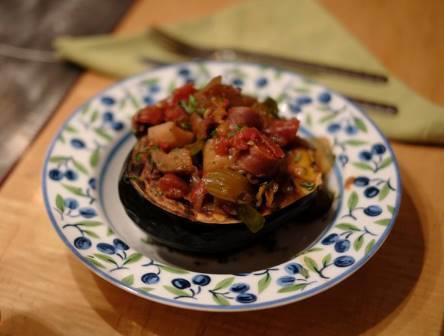
This baked squash is an easy and tasty side dish served as is. You can also use the baked squash halves as edible bowls and fill them with your favourite stew or curry as pictured!

#4 – Gingerbread Coconut Flour Cookies

I’m usually told not to ‘mess with’ my original Christmas cookie recipes … but sometimes I do to accommodate guests with celiac or gluten intolerance. These gingerbread peeps are cute and delicioius!

#5 – No Bake Date/Nut/Coconut/ Chocolate Balls

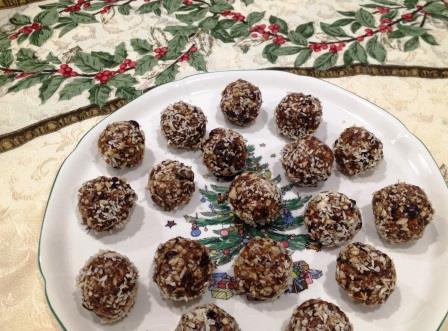
Don’t like baking? Need a holiday treat in a hurry? Try these delicious grain-free, egg-free, and dairy-free treats!

#6 – Easy-Peasy Eggnog

I’m not a huge eggnog fan, but I usually like to have a glass when we decorate the tree. This easy home-made version is egg-free and has way less sugar than store-bought.

#7 – Hummus

You can make this delicious hummus in no time at all for a fraction of the price of store bought ones which often use unhealthy oils. Skip the starchy pita bread and use veggies to scoop this yummy dip. Belgian endive leaves are one of my favourites! Top it with some fresh pomegranate seeds for a festive look!

#8 – Guacamole

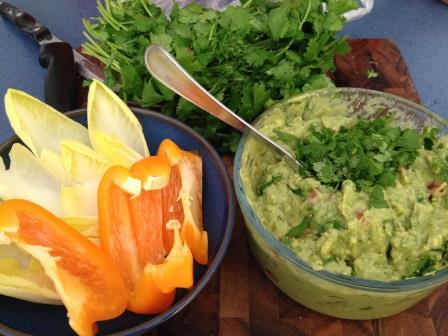
Holy Moly this is a good guacamole! I’ll leave it at that. Try it with bell pepper slices and other veggies instead of corn chips!

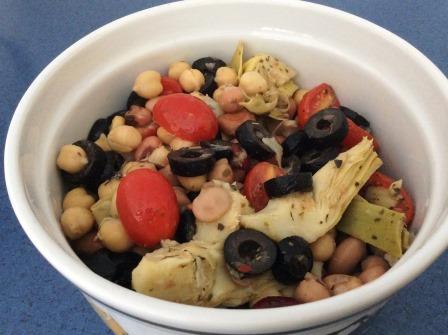
#9 –Chickpea and Arichoke Salad

This delicious and healthy salad is quick and easy, so it’s perfect to throw together as a last minute contribution to a holiday pot luck. Add some sliced baby cucumbers and or green bell peppers to make it look more Christmassy!

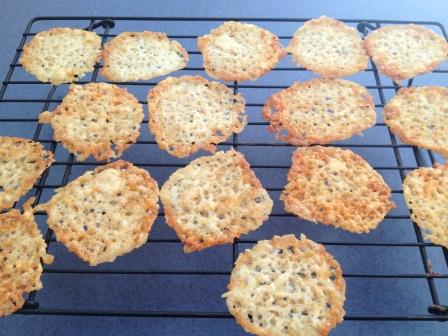
#10 – Cheese Snip Cheesy Crackers

No need for crackers with these yummy cheese snip cheesy bites. Made with just cheese! A favourite crispy snack for those who need to avoid gluten .. and those who don’t! (p.s. if you need other grain-free/wheat-free snacks, check this out:  5 Grain-Free Appetizer & Party Foods

#11 – One-Pot Winner-Winner Coconutty Chicken Curry Dinner

This delicious one-pot chicken curry is the perfect way to warm up a crowd on a cold winter day. One of my family’s favourite tried and true recipes. Even if you just need to feed one or two, this is a great recipe as it freezes beautifully. Make it vegan or vegetarian by replacing chicken with more veggies (turnip, parsnip, kohlrabi – basically whatever you like!) and using veggie broth. It’s a great way to use up leftover turkey too! Skip the chicken and add chunks of your left over cooked turkey about 10 minutes before the end of the cooking time just so it heats up.

#12 – Delicious (Gluten-Free) Buckwheat Pancakes

I’m not gluten-intolerant so I could eat regular pancakes if I wanted to, but these ones are so much better. These buckwheat pancakes are easy to make and so yummy. Top them with plain yogurt, cinnamon, toasted coconut, maple syrup, and fresh berries for a festive holiday breakfast.

Ho-Ho-Hope you’ll try one of these recipes! :o)

Enjoy!

Squashing Out Disease

When we eat according to Mother Nature’s plan, we get just what we need at the right time of year.  For example, in fall, we are blessed with a bountiful variety of winter squashes. While they are harvested in the fall, these gorgeous vegetables keep well through the winter, hence their name.

squashWhen you think of squash, you probably think of their beautiful orange flesh. That colour is an indication that they’re loaded with carotenoids – orange pigments that are strong health-boosting antioxidants which support our immune system.

As we head in to cold-and-flu season, it’s great to know that winter squash is also a great source of cold-and-flu busting nutrients including:

  • Beta-carotene – a precursor to vitamin A, which is critical to immune system health and function
  • Vitamin C – a foundational immune system supporter
  • Manganese – a trace mineral which is needed for proper immune system function. It is also a component of superoxide dismutase (SOD), a powerful substance which helps fight disease-producing free radicals

Squash Out Inflammation

Winter squashes are also a great source of soluble fibre, in the form of pectins. Research has shown that in addition to supporting healthy gut function (including promoting regular bowel movements), pectins offer numerous health benefits, including the ability to:

  • Reduce inflammation and oxidation. Inflammation and oxidation are at the root of virtually every disease process in the body, including cancer and cardiovascular disease. Studies have shown that substances found in winter squash are beneficial in the prevention and treatment of numerous cancers, including prostate, colon, breast and lung cancers.
  • Help balance blood sugar. Winter squash is a great source of the B-complex of vitamins (B1, B3, B5, B6, and folate) which play an important role in glucose metabolism.

Out of My Gourd for Winter Squash!

It’s time to go crazy for winter squash! I love winter squashes of all kinds. I have made mashes (aka squishy-squashy), casseroles, stews, desserts, puddings, cookies, and more with them. If you’ve been avoiding squash because you’re not sure what to do with it, here are a few links to some easy and delicious recipes on my website:

Winter Vegetable Stew

Glten-free Baked Pumpkin Spice Donuts

Coconut & Gingery Pumpkin Soup

Coconutty Cinnamon Baked Squash

Butternut Squash and Goat Cheese Sprouted Grain Pasta

Kabocha Squash Oishii-ness

There are many more that you can find by typing “pumpkin’ or ‘squash’ into the search tool that is located in the top right hand corner of every page of my website.

Finally, here’s a fun resource to help you get to know and love 12 delicious varieties of winter squash.  Not sure where to start? Why not have some fun substituting spaghetti squash for the regular pasta in your favourite spaghetti dish? It’ll be delicious … and if you have kids (even big ones), they’ll love helping you scoop out the stringy squashy spaghetti!

Enjoy!

References:
www.epicurious.com
www.whfoods.com

3 Tips for a Healthy Return to the Classroom or Office

It’s hard to believe that September is around the corner … again. This year, we are faced with many unknowns and perhaps a higher level of stress as back-to school, and for many, back-to-the-office is happening in the face of pandemic uncertainties.

Whether or not we are in the face of a pandemic with seemingly never-ending variants, it’s critical to take control of what we can to stay healthy and support our immune system. Nutrition – both food and supplements – play a big role in both, so this month, I am sharing links to 3 previously written blogs that I hope you will find useful to help put your best health-boosting foot forward as so many of us step back into the classroom and office.


#1 – Grab & Go Breakfasts

In this blog, I share 5 yummy recipes for grab-and-go breakfasts and a short discussion on the ‘eat or skip breakfast’ debate.

#2 – Avoid Lunch Bag Let-Down

In this blog, I share some ideas for healthy lunch packing … and what can make the difference between lunch-bag-happiness and lunch-bag-letdown!

#3 – Supporting our Immune Systems

Supporting our immunity is key to overall health – especially in the face of a pandemic. In this blog, I share 10 simple things that you can do to support and build your immunity.

8 Tips for a Healthy and Tasty BBQ Season

BBQ season is finally here! One of my favourite summer time activities is to have an entire main course cooking on the grill while I enjoy my backyard…and the dinner guests who are joining me!

Before Sparking Up, Read This!

Barbecuing foods – meat in particular (I’ll be using the word meat as a catch-all to include red meat, pork, poultry, and fish) – leads to the formation of  two compounds: heterocyclic amines (HCAs) and polycyclic aromatic hydrocarbons (PAHs). These compounds have been shown to cause tumours in animals and some sources state that they may also increase the risk of certain cancers (breast, colon, stomach, and prostate) in humans. That’s the not-so-good news. The good news is that in this month’s article, I’m sharing some tips that will limit/prevent the formation of HCAs and PAHs so that you can enjoy healthy and delicious summer-time cooking! So without further ado, here they are!

# 1 – Parboil before you grill

Parboiling is simply boiling (or steaming)  meats until they are partially cooked. Parboiling before grilling is great for chicken, sausages, and ribs. Since the meat will be partially cooked before you grill it, it needs less time on the grill. The less time meats are grilled, the less time there is for the formation of HCAs and PAHs. To parboil meat (again, think chicken, sausages, and ribs – I’ve never parboiled steak – can’t imagine it would be good!), simply place the meat in a large pot of boiling water and cook for 5 to 10 minutes. Remove with tongs, season as desired, then grill. Other benefits of parboiling include more tender meat and avoiding under-cooked BBQ chicken or pork.

#2 – Keep the pieces of meat that you’re grilling small

Smaller pieces of meat need shorter grilling times. Buy smaller cuts of meat and/or cut meat into small pieces, including small cubes for shish-kebabs and skewers. I bet that most of you are familiar with a couple of common guidelines when it comes to how much meat you should eat at mealtimes. One of these is that the piece of meat should be about the size of a deck of cards; the other is that it should be about the size of the palm of your hand. Right about now, I bet the meat-lovers reading this are running around the house looking for a deck of cards so they can put it in the palm of their hand to see which one is bigger! A guideline that I follow is that meat makes up no more than  ¼ of my meal/plate, with the rest being veggies, as in the photo below. Veggies are full of powerful cancer-fighting vitamins, minerals, and phytonutrients that can also help to ‘neutralize’ the potential negative health effects of HCAs and PAHs from grilled meats. Bonus! Eat your veggies…and strive for many different colours on your plate!

grilled dinner


#3 – Reduce the drippings

Drippings can hit the flames and cause grilling flare-ups that will char the meat. You can reduce drippings and flare-ups by:

  • Trimming excess fat and skin from meats before grilling
  • Using tongs, grilling baskets, or other utensils that will not pierce the meat when you are flipping/turning it over
  • Parboiling also helps to reduce the fat (especially for ribs and sausages)
  • If flare-ups do happen, have a spray bottle filled with water on hand to get them under control

#4 – Flip the meat frequentlygrilled salmon burgers

Flipping the meat frequently helps to avoid over-cooking and charring.

#5 – Use lower temperatures

Cooking temperature has been identified as the most important contributor to the formation of HCAs and PAHs. Using lower temperature cooking has been shown to decrease the formation of these compounds.

#6 – Marinate

Marinating meats for at least 30 minutes before grilling has been shown to significantly reduce the amount of HCAs and PAHs created during grilling.

marinating chickenIf you Google “marinade for _____” (fill in the blank with your favourite meat), you’ll get loads of options. I usually don’t follow recipes to make marinades; I just wing it by mixing together something savory (e.g. tamari sauce), something acidic (e.g. fresh lemon juice or some type of cooking vinegar), something sweet (e.g. a splash of honey or maple syrup), a bit of oil (usually olive, or sesame oil) and something aromatic (garlic, fresh and/or dried herbs, and spices).

I’m sharing a few very basic marinade recipes at the end of this article. You can increase or decrease the amounts proportionately so that you have enough for the amount of meat you’ll be grilling. Generally, you will need half a cup of marinade for every pound of meat. The meat doesn’t have to be completely submerged in the marinade; just make sure that you turn it frequently so that all sides of it get a good chance to get coated and soaked. My preference is to use a glass container to marinate foods.  I encourage you to be creative and add whatever you like to these marinades, and/or invent your own unique combination. 

#7 – Cut off the burnt bits

If despite your best efforts, there are charred or burnt bits on your grilled meat, cut them off before eating.

#8 – Think outside the (BBQ) box

When we think of grilling, we often just think of meat. Grilled veggies are amazing (and as an added bonus, they are less of a risk regarding HCAs and PAHs). You can grill just about any veggie, or combination of veggies, for a wonderful side dish – and some grilled veggies make great meat substitutes, like my Portabello Mushroom Cap Burgers. My go-to method for grilling veggies is to toss them in a few TBSPs of olive oil, a drizzle of balsamic vinegar, and a sprinkle of sea salt before putting them on the grill. Sometimes I toss in some crumbled sheep feta when the veggies are still warm (when they’re grilled and have been taken out of the grilling basket of course!). Mmmm! How many different kind of veggies can you find in this batch of grilled veggies I made? :o)

grilled veggies

Here is one more suggestion when it comes to grilling: avoid wrapping things in aluminum foil to cook them on the grill (or any other way for that matter). Cooking in aluminum foil is going to add aluminum to your food, and although current research is inconclusive, some suggest there is a link between the accumulation of aluminum in the body (through any means) and an increase in certain diseases, in particular, Alzheimer’s Disease. When it comes to my health, I prefer to error on the side of caution and take control of what I can, so I choose to avoid using aluminum foil when it comes to any kind of cooking.

And finally, here are three basic marinade ideas to get your creative (and digestive) juices flowing! The instructions for all three of these marinades are the same – simply put all the ingredients in a bowl and whisk until they are well blended. Add the chicken/fish/beef and marinate in the refrigerator for as little as 30 minutes or as long as 3 hours..

 Mediterranean Chicken Marinade

This marinade makes a delicious ‘Greek’ flavoured chicken. Serve with a big Greek or green salad and you’re all set! Makes 1/2 a cup.

  • ¼ cup of olive oilgrilled chicken
  • ¼ cup of fresh squeezed lemon juice
  • 1 clove of fresh garlic, minced
  • ½ to 1 tsp of dried oregano
  • A pinch of sea salt


 Asian Inspired Fish Marinade

This marinade is perfect for salmon. Makes about 1/2 a cup.

  • 1/4 cup of organic tamari  saucegrilled asian salmon
  • 2 TBSP of olive oil
  • 2 TBSP of rice vinegar
  • 1 TBSP of maple syrup or unpasteurized local honey
  • 1 TBSP of sesame oil
  • 2 cloves of fresh garlic, minced
  • 1 TBSP of fresh ginger, minced

Red Wine Steak Marinade

This is a great marinade for steaks and cubes of beef for shish-kebabs. Makes about 1 cup.

  • 1/2 cup of red winegrilled steak
  • ¼ cup of olive oil
  • 1 TBSP Worcestershire sauce
  • 1 TBSP of balsamic vinegar
  • 1 clove of garlic, minced
  • ¼ tsp each of sea salt and freshly ground pepper
  • ¼ tsp each of oregano and ground cumin…or any herb/spice you like with your steak! (optional)

Enjoy!

Privacy Policy

Website Maintenance and Services by Andrew Wardell