Got Joint Pain? Get Joint-Pro™ Concentrate by CanPrev!

Why Do You Have Joint Pain?

The most common cause of joint pain is osteoarthritis (OA). Let’s break that word down:

“osteo” = bone
“arthro” = joint
“itis’ = inflammation.

Simply put, OA is inflammation of the joints. It commonly occurs in the hips and knees which are the body’s primary weight bearing joints. OA is responsible for approximately 80% of hip replacements and approximately 90% of knee replacements. While OA is rarely life-threatening, it is lifestyle-threatening.

OA is commonly referred to as a ‘wear-and-tear’ condition of the joints. Over time, cartilage (the protective rubbery cushion that covers the ends of most bones that meet at a joint), wears away eventually leading to ‘bone-on-bone’ which become inflamed. As this happens, our joints can become painful and stiff. Osteoarthritis exists in some degree in all individuals over age 65 and women are affected more than men (mostly due to more pronounced hormonal decline).

What Can You Do?

There are numerous things that can help to prevent or slow down the development of arthritis OR at least alleviate the symptoms. These include:

  • Lose weight if necessary (avoid fad diets – consult with a nutritionist like yours truly!)
  • Limit sugar, alcohol, starchy foods, wheat, processed grain products, and processed foods.
  • Avoid nightshade vegetables (e.g. potatoes, tomatoes, eggplant, bell peppers) if you find they aggravate joint pain. Nightshades may inhibit collagen repair and promote inflammation.

  • Eat an anti-inflammatory diet, including a variety of vegetables and omega-3 rich foods (e.g. salmon, mackerel, anchovies, sardines, herring, flaxseeds, chia seeds, walnuts).
  • Eat healthy fats 
  • Keep moving/exercise
  • Take joint-health supplements like Joint-Pro™ Concentrate

Why Joint-Pro™ Concentrate?

CanPrev’s Joint-Pro™ Concentrate is a complete joint pain relief formula made with hydrolyzed collagen, hyaluronic acid and glucosamine in a liquid form for optimal absorption. These naturally occurring compounds are critical components of cartilage, bones, tendons, ligaments and the synovial fluid that cushions the joints. It also contains several anti-inflammatory ingredients, such as Devil’s Claw, Ginger, Curcumin and Boswellia, which work synergistically to reduce pain and swelling.

To order a bottle of Joint-Pro™ Concentrate, send an email to info@perfectresonance.com with the subject line “Joint-Pro™ Concentrate” and I’ll contact you with order, payment, and pick-up options (Ottawa-area only). A 500ml bottle costs $40 + HST (as of Feb 1 2023 – subject to change) and will last just over one month when taken at the recommended daily dose of one tablespoon (15 ml). 

Take control of what you can!

My Favourite Salad Dressing

We have a green salad with lunch and/or dinner just about every day. I often just spritz on some EVOO (extra virgin olive oil) and balsamic or apple cider vinegar and sprinkle on some unrefined salt, but when I have time and want something a bit more interesting, I make this honey-dijon-garlic dressing. Everyone LOVES it! It will last a good week or so in the fridge (you can also freeze it), so feel free to double or triple the recipe. Note that when you refrigerate this dressing, the olive oil will solidify, so make sure you take it out of the fridge about 30 minutes or so before you want to use it. You can ‘re-liquify’ it more quickly by putting the bottle in some warm water. Either way, shake well before using.

This recipe makes about 3/4 cups of dressing which will be plenty for several salads. Feel free to double or triple it!

What You’ll Need:

  • 1/2 cup EVOO
  • 1/4 cup organic apple cider vinegar
  • 1 large clove of garlic – minced
  • 1 TBSP honey
  • 1 TBSP Dijon mustard
  • 1/4 tsp salt
  • pinch of pepper (optional)

Blending It:

Put all ingredients into a blender (I used a Magic Bullet) and blend until creamy and smooth. It will end up looking like this:

I love it just as is, but give it a taste and see how you like it. Adjust by adding more of any of the ingredients (suit your taste!) and blend again … and taste again! Once you have it just the way you like it, set it aside and pour it onto the salad just before serving, or pour the dressing into a creamer or small bottle and let everyone pour as much or as little of it as they want on their own salad.

Storing It:

If you aren’t’ going to use it right away, or if you have any leftover dressing after using it, store it in a glass jar and keep refrigerated for a week or so (if it lasts that long!)

Enjoy!

Pumpkin Power

Fall is such an amazing time of year. The colours are gorgeous, the air is crisp, the days can still be warm while the nights are cool and great for sleeping, and there is an abundance of beautiful, fresh, local produce, including one of my very favourites, pumpkins.

A Powerhouse of Nutrition

Pumpkins are loaded with health-boosting nutrients, and they are so versatile, you’re bound to find a way to use them that will satisfy even the pickiest taste buds! Pumpkin flesh can be served roasted, steamed, mashed (I love it with coconut oil and cinnamon…yum!), and added to stews, soups, custards, pies and all  kinds of baking.

Pumpkin flesh is a great source of carotenoids, including beta-carotene, zeaxanthin, and lutein. The body can convert beta-carotene into vitamin A, which is essential for proper growth and healing, while zeaxanthin and lutein support eye-health, including decreasing the risk of macular degeneration.

Research shows that the amazing antioxidants in pumpkin are associated with the prevention of premature aging as well as many diseases, including cardiovascular disease and cancer.

Pumpkin flesh is also a great source of fibre, and folklore often cites it as one of the top foods for bowel health. Eating a ½ cup of cooked pumpkin (or other squash) daily has been known to provide relief from constipation. Interestingly, many pet health experts recommend adding a tablespoon or so of cooked and mashed pumpkin into a pet’s food in order to promote digestive health (especially to assist with the passing of hair balls in cats).

Save the Seeds!

Pumpkin seeds are a great source of minerals, especially zinc, which is commonly associated with promoting prostate health and supporting the immune system. They are also high in the amino acid tryptophan, which is important in the production of serotonin, often referred to as our ‘happy hormone’. Pumpkin seeds can be enjoyed raw (pepitas) or roasted. Enjoy them on their own as a snack, or add them to soups, salads, baking, and trail mixes.

To roast pumpkin seeds, after you’ve scooped them out of the pumpkin (any variety), remove as much of the stringy flesh as possible, and then wipe the seeds with a dish towel or paper towel. Spread them out in a single layer on a cookie sheet lined with parchment paper, and sprinkle them with your favourite seasoning. Roast for 15 to 20 minutes in a 150-170F oven. It’s important to keep the temperature at 170F or less in order to preserve the delicate oils in the seed which can be denatured at higher temperatures.

What Kind of Pumpkin is Best?

There are numerous varieties of pumpkins. The ones that we typically buy to carve into jack-o-lanterns for Halloween are not recommended for cooking/eating as they are specifically bred to have tough, thick skins, and fibrous flesh, in order to withstand the rigors of being carved.

The varieties recommended for cooking typically have thin skin, are less fibrous, have finer and sweeter flesh, and will not be watery when cooked. Two of my favourite varieties for cooking are sugar pie and kabocha (a Japanese pumpkin/squash).

When you buy a local, freshly harvested pumpkin, you should be able to keep it for up to 3 months, provided you store it properly – in a cool spot out of direct sunlight.

My Favourite Pumpkin (and Squash!) Recipes

Here’s a list of pumpkin-based and squash-based recipes that I’ve posted over the years. Pumpkins are a type of squash, so feel free to use either pumpkin or squash for any of these recipes. Simply click on the links to get to the recipes.

Gluten-free Baked Pumpkin Spice Donuts

Coconuty & Gingery Pumpkin Soup

Roasted Cauliflower & Butternut Squash Salad with Tahini Dressing

Coconuty Cinnamon Baked Squash

Butternut Squash-Leek-Ginger Soup

Winter Vegetable Stew

Butternut Squash and Goat Cheese Sprouted Grain Pasta

Kabocha Squash Oishii-ness

Roasted Butternut Squash Coconut Ginger Soup

Enjoy!

Anna

Dreading Back-to-School Lunch Packing?

It’s hard to believe that ‘for real’ (non-virtual) back-to-school time is finally here.  After years of masks, social distancing, and virtual classrooms, students are finally going to be able to get back to a normal – and hopefully healthy – school experience.

Among the many challenges of getting back into the routines that come with back-to-school time, is wracking your brain with what to pack your kids (or yourself!) for lunch, day-in, day out.

We all do our best to include healthy food in our children’s lunch boxes (and our own for that matter!); however, sometimes the difference between a child eating or not eating their lunch is all in the “marketing”, that is, the presentation and packaging.

Fun & kid-friendly containers can help transform lunch-bag letdown into lunch-bag fun! My kids are all grown up now, but our favourite lunch gear was from a company called Bentology. Bentology products are designed to help you pack nutritious bento box style lunches for school (or work … or play!). The unique design of this durable line of products makes it easy to break free of the sandwich mentality, and as a bonus, the products are free of phthalates, BPA, PVC, or lead.

Click here to check out these great products … and if you’re looking for healthy lunch and snack ideas, check out my post “10 Ways to Think Outside the Lunch Box”.

NO PASTA Zucchini Ravioli Rolls

One of my favourite childhood special occasion meals was my mom’s ravioli. I loved the filling and would often ‘sneak’ tastes of it when I helped her make them. I would sometimes even open up the ravioli that were served and just eat the filling, leaving the pasta behind. I have never made my mom’s ravioli as I typically avoid pasta; however, I ‘sort of’ made them during my many attempts to come up with different ways to use the 1,263,603 zucchinis from our garden this season … and there is no end in sight!

My mom never followed a recipe, so I had to play it by ear when I was making the filling and I think I pretty much nailed it. Dare I say that these no pasta ravioli are as delicious as hers. If you can’t be bothered with making the little rolls, you can make a zucchini lasagna instead, with layers of zucchini slices, then filling, then sauce, then cheese, then repeat until you run out of one of them!

If you are looking for more ways to use zucchini, you may also want to check out my other zucchini recipes: stuffed zucchini, zucchini fritters with chickpea flour, and zucchini ‘spaghetti‘… but first, take a look this NO PASTA zucchini ravioli roll recipe. Mmmmm!!!

You Will Need:

  • 3 or 4 or 5 medium-sized zucchini. More is better as some slices may not work … and I’ll let you know how you can enjoy the ‘rejects’ and extra slices so nothing gets wasted!
  • 1 or 2 650ml jars of your favourite spaghetti sauce … or if you have time … make your own. You can freeze what you don’t use. I always like to error on the side of having too much sauce as there’s nothing worse than running out of sauce in the middle of making a dish like this! I don’t include instructions for making your own spaghetti sauce, so if you go this route, you’ll have to have it ready to go before starting this recipe.
  • 1 cup of ricotta cheese
  • 1 cup of cooked spinach (you’ll need a 10oz/284g bag of fresh spinach if you’re going to cook your own – you can use thawed frozen spinach too)
  • 1 egg
  • 1 cup of grated mozzarella cheese
  • 1/2 cup of grated parmesan cheese (I use Reggiano Parmigiano)
  • 1 cup of minced cooked chicken (can omit if you want it to be vegetarian). You could use any leftover cooked chicken as long as it’s not something overly spiced, but my mom always used a chicken breast that she had poached; well in fact, she used it to make chicken broth (efficient!). That’s what I did. Then you’ll have a lovely, delicately flavoured poached chicken breast to use in this recipe AND chicken broth to use another time. You’ll have to have the cooked chicken ready to go before starting this recipe.
  • salt and pepper
  • a mandolin (unless you have amazing knife skills and can make uniformly thin zucchini slices!)

Step 1: Prep the Zucchini

I used a large skillet for this step and did it in 2 batches

Get some salted water up to a simmer in a large sauce pot or skillet. Using a mandolin, slice the zucchini lengthwise. I used the middle setting of my mandolin. I would say the slices were 1/8 of an inch thin. Put the zucchini slices in the simmering water just for a minute or two – just long enough so they become pliable so they don’t break when you roll them. Don’t overcook them or you will have mush! Once they are done, use a slotted spoon to transfer them to a colander and rinse with cold water to stop the cooking process and make them cool enough to handle.

You want them to be pliable but not mushy!

This next step is really important because zucchini have a high water content and you don’t want to end up with zucchini soup! Lay the zucchini slices on paper towel, or a dishcloth, or an old tablecloth … anything that you can lay them on that will absorb moisture, and that you can also pat the slices dry with. If any of the zucchini slices aren’t in good shape for making rolls, set them aside. They are delicious served as a cold salad with a bit of olive oil, balsamic vinegar, salt, and pepper. Waste not, want not!

Step 2: Prep the Spinach

Whether you are using cooked frozen spinach or cooking your own, the trick is to SQUEEZE ALL THE WATER OUT! If you are using frozen spinach, let it thaw then squeeze the water out. If you are using fresh spinach (my mom always did) save yourself sometime and buy one that is triple-washed. Bring a large pot of water to boil, dump the bag of fresh spinach into it and cook it for 1 or 2 minutes, just until it is wilted. Drain it in a colendar, rinse with cold water until you can handle it without burning yourself … because you’ll need to squeeze it well! Once you have squeezed the spinach, dice it up. It always amazes me how a huge bag of fresh spinach turns into a handful of cooked spinach. You want to end up with about a cup of finely chopped/diced spinach – a little more or less is OK – no worries!

I only had 2 or 3 inches of simmering water in this pot when I added the bag of fresh spinach. It was overflowing … then I just pushed it all down into the water and let it cook for a minute or two and it reduced to this …

Step 3: Make the Filling

For this step, make sure the spinach and chicken are fully cooled so you don’t end up with weird scrambled eggs! In a bowl, mix 1 cup of ricotta cheese, 1 cup of finely chopped cooked spinach, 1 cup of minced chicken, 1 egg, 4 TBSP (ish) of parmesan cheese, and a sprinkle of salt and pepper. Mix it well until it is fully blended. A good trick is to beat the egg up a bit first. You can do it before you add it to the bowl or in the bowl. You should end up with something that looks like this:

Step 4: Roll Time!

Place a heaping tsp of filling on to the WIDE end of each zucchini slice (I lined them all up that way before I placed the filling), then using your fingers, shape the filling so that it is a tidy little ball that isn’t hanging out over the sides of the zucchini slice. Roll up each zucchini slice,  using your finger tips to gently keep the filling even with the edges. Keep on filling and rolling until you’ve run out of zucchini slices or filling. I ended up with extra filling, so I just prepped more zucchini slices until all the filling was used up. If you end up with extra zucchini slices, remember my salad suggestion earlier! You should end up with rolls that look like this:

Aren’t they cute? :)

Step 5: Assemble and Bake

You should have enough rolls to at least fill the bottom of a 9 x 13 baking dish. If not, choose a smaller baking dish. Start by placing some sauce in the bottom of the baking dish:

Then place your rolls on the sauce:

One roll short to have a 4 x 9 matrix!

Then cover the rolls with sauce, then sprinkle with mozzarella cheese and some parmesan cheese – suit your cheesy taste as to how much or how little. If you still have more rolls, you can make a second layer in the same baking dish or make a second dish. I ended up with a 9 x 13 dish and a few single serving sizes. The good news is that this dish freezes beautifully before or after you bake it … which is done at 350F for about 20 minutes. Broil for 1 or 2 minutes at the end for a bubbly golden cheesy top. 

One layer of rolls in a 9 x 13 baking dish
2 layers of rolls in a single serving freezer baking dish
Baked and ready!

Enjoy!

Recipes for Canada Day & other Summertime Gatherings!

The Canada Day weekend officially kicks off summer for many of us, and that often includes enjoying gatherings with family and friends.

In this blog, I’m sharing 5 appetizer/starter recipes, 5 salad/side dish recipes, and 5 sweet treat recipes that make great additions to Canada Day and other Summertime gatherings.

Just click on the recipe name/title to see the full recipe.

Enjoy!

Appetizers/Starters

1 – Veggies with cilantro-lime-jalapeno-garlic dip

I first tried this dressing at a family celebration in Nova Scotia. It was served on the side, to be drizzled over a roasted vegetable salad. I love roasted veggie salads and I LOVE cilantro, so this sounded like a winning combination to me … and it certainly was!

2 – Veggie Rice Paper Wraps

These veggie rice paper wraps are a hit among veggie lovers and carnivores. They are fun to make, and easy enough to get many hands (even little ones!) involved. They make a great starter to a meal, or they can be a meal on their own.

3 – Hummus

This recipe is healthy, quick and delicious! Once you have the ingredients assembled, just throw them into a food processor or blender and you’re done!

4 – Guacamole

Guacamole is a delicious way to enjoy all the health benefits of avocados. This recipe is quick and easy…and includes a tip for preventing your left over guacamole from turning brown!

5 – Cheezy Crisps

Like crackers and cheese? You’ll love these crispy and delicious bites!

Salads & Side Dishes

1 – Roasted Cauliflower & Butternut Squash Salad with Tahini Dressing

This salad is one of my go-to’s for summer BBQs, pot lucks, and big family gatherings. It’s a delicious and healthy alternative to traditional potato salad. This recipe makes about 12 cups of finished salad, so adjust the ingredient amounts as needed. Leftovers keep well in the fridge for several days.

2 – Grilled Veggies on Quinoa Tabouleh

This is a great side-dish at any time of year, but especially when farmers markets are bursting with fresh, local veggies. You can serve it warm or cold, and leftovers keep well for a few days.

3 – Kale & Sweet Potato Casserole

This recipe incorporates two of the most nutrient-packed veggies into one delicious casserole! It serves 6-8 as a side dish and can be prepared a day or two in advance.

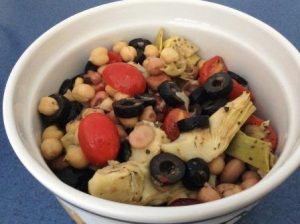
4 – Chickpea & Artichoke Heart Salad

I’ve been making this salad for years. It is so easy and really delicious. It’s a great side dish to poultry or fish mains (especially if they have a Mediterranean theme), and a perfect dish to bring to a picnic, potluck, or BBQ. You can make it more substantial by adding a cup or so of cooked quinoa.

5 – Broccoli Salad

This broccoli salad is packed with nutrient-dense foods and makes a great side at any time of year. Use pomegranate seeds, diced red bell pepper, or dried cranberries instead of (or in addition to) the raisins for a festive Canada Day vibe!

Sweet Treats

1 – Power-Packed Cookies

These grain-less cookies are loaded with nutrient-dense ingredients. They are easy to make and freeze beautifully.  This recipe makes about 3 dozen cookies. 

2 – No-Bake Yummy Snack Bars

Not only are they easy to make, they are also soooo delicious and loaded with healthy, nutrient-rich ingredients. They are a GREAT alternative to store-bought granola bars and freeze well.

3 – No-Bake Date/Nut/Chocolate/Coconut Balls


I first made these delicious grain-free, egg-free, and dairy-free treats for Christmas; but they are so delicious and quick to make that I whip them together whenever we want a sweet treat.

4 – Chocolate & Banana Frozen Treats

These dairy-free, egg-free, gluten-free, and sugar-free (other than the natural sugars in the bananas) frozen treats are super easy to make and a perfect way to use up very ripe bananas! You can make them up in popsicle molds for a classic casual fudgesicle-like summer treat, or in muffin tins or other fancier molds to serve them up as a more formal dessert.

5 – Flourless Oatmeal Chocolate Chip Cookies

These delicious cookies are so easy to make – and they are wheat-free, dairy-free, and egg-free! This recipe makes about 18 cookies, so you may want to double it as they go fast! They also freeze well.

What Plant-Based ‘Milk’ is Best?

The Plant-Based Milk Industry is Growing!

In 2020, the retail sales of ‘milk alternative beverages’ were US$336.9 million in Canada and US$2.8 billion in the United States. That’s a lot of glasses of plant-based milk!  Agriculture Canada expects the plant-based market to continue growing, with a compound annual growth of 8.4% from 2021 to 2025. If those numbers aren’t enough to demonstrate the growth of this market, consider this fact: between January 2018 and February 2021, 161 milk alternative beverages were launched in Canada while 264 were launched in the United States. (1)

So Many Options! What to Choose?

With so many options to choose from, it’s tough to know which is best, especially given all the ‘features’ to consider, including:

  • Sweetened or unsweetened? If sweetened, how is it sweetened?
  • Flavoured (chocolate? vanilla?) or unflavoured?
  • Does it contain anything you are allergic to (e.g. nuts, soy, corn/high fructose corn syrup, etc)?
  • Does it come in environmentally-friendly packaging?
  • Does it taste good?
  • Does it have a nice texture?
  • Is it organic? Free from GMOs?
  • Does it contain a thickener that could cause gastro-intestinal distress (e.g. carrageenan)?
  • How much does it cost?
  • Is it nutritious?

I usually have some type of plant-based ‘milk’ in my fridge that I use for the odd time I have cereal for breakfast or do some baking. I’ve tried almond, cashew, coconut, macadamia, rice, and oat ‘milks’ (those of you who know me know I avoid soy for many reasons). I always choose unsweetened and unflavoured beverages and look for the ones that have the fewest number of ingredients, and no potentially harmful thickeners, such as carrageenan. I have tried pea and hemp milk at trade shows but have never purchased them (I don’t commonly see them in grocery stores and they are more costly than other alternatives).

Nutrition Isn’t The Whole Story

Another factor I take into consideration when choosing a plant-based milk alternative is its environmental impact. Some time ago, I read an article entitled: “Which Plant-Based Milk is Best For The Environment?’. What follows is my summary of some of the keys points the article made related to various plant-based milks. If you have time you can read the full article by clicking here.

Soy Milk

  • Lower greenhouse gas emissions compared to dairy milk
  • Uses less than 1/10 of the water compared to almonds
  • Better protein content compared to almond milk
  • Requires more land to grow compared to almonds or rice – parts of the Amazon are being destroyed to grow it (soy is in so many packaged foods)
  • Genetically engineered/Roundup-ready = pollutes ecosystems and potential carcinogen, so buy organic

Almond Milk

  • Growing almonds (and most nuts) requires a lot of water (3.2 gallons per almond)
  • 80% of the world’s almond supply is from California – where serious droughts are an ongoing issue
  • Although almonds are nutrient dense, the process that most manufacturers use to turn them into milk eliminates most of the nutrients (and not many almonds are used in a carton of milk)

Oat Milk

  • Canada is one of the top producers of oats
  • Production uses less energy/produces lower emissions than that of cow’s milk
  • Uses 80% less land than cow’s milk
  • Of all the plants turned into milk, oats generally use the least water (7x less than almond or cow’s milk)
  • More nutrient dense than almond milk
  • May be contaminated with glyphosate, so buy organic

Pea Milk

  • One of the newest alternatives so not easily found in stores
  • Need less water than other crops, so can grow where water is more scarce
  • Rich in nutrients, especially protein
  • Not genetically modified
  • Flavour may be a challenge

Hemp Milk

  • Environmental benefits – ranked among the top 5 in 16 common crops studied regarding pesticide use and erosion
  • Uses more water than oat, soy, or pea, but still much less than almonds or cows
  • Contains more protein than almond or oat, but less than soy or pea

Unfortunately, the article did not ‘declare’ a winner, as there are so many factors and not enough research has been done to be able to do an accurate comparison.

An important concept to remember related to nutrition is variety and moderation. That holds true for plant-based milks too; however, if I had to pick one, I’d pick oat milk. Why? Because even though other milks are supposedly more nutrient/protein dense, I don’t consider these plant-based milks as an important source of nutrients of any kind. If you want to benefit from the full nutritional value of oats, make yourself a bowl of porridge with steel cut oats! If you want to benefit from the full nutritional value of almonds, eat a hand full of soaked, raw almonds. If you want to benefit from the full nutritional value of yellow peas, make yourself a pot of split pea soup – you get the picture! I also like the flavour and texture of oat milk the best and value its other benefits:

  • oats are easily grown in Canada (please make sure the oat milk you buy uses oats grown in Canada – apparently the second largest producer is Russia)
  • growing oat crops is better for the environment on many fronts
  • oat milk is readily available in virtually all grocery stores
  • oat milk is affordable

Whatever type of plant-based milk you choose, read the ingredient label to ensure you are making the best choice, or better yet, make your own!

Making Your Own is Easy … and Economical!

I have made my own coconut, almond, and oat milk. It’s SUPER easy and only requires 3 ingredients:

  • 4 cups of filtered water
  • 1 cup of dry unsweetened coconut, or raw almonds, or rolled oats
  • a pinch of salt

You can add flavours/sweeteners if you like, for example some natural vanilla extract and cinnamon and/or a splash of maple syrup. Be aware that since there are no preservatives in home made versions, they need to be refrigerated right away and used up within 4 or 5 days. The ‘milk’ tends to separate, so give the bottle a good shake before each pour.

Click here to find out how I make plant-based milks at home. The instructions are for almond milk because I had almonds on hand (and because I wanted to end up with some almond flour to make my Greens & Feta Quiche with Almond Crust recipe!) but as mentioned earlier, you can substitute the almonds with oatmeal, dried unsweetened coconut, or other nuts/seeds and end up with interesting flours to use in your baking or other recipes.

Have fun experimenting!


Privacy Policy

Website Maintenance and Services by Andrew Wardell