Inside-Out Sun Protection

I belong to a chapter of the Business Breakfast Club here in Ottawa. Every week, members share a one minute ‘infomercial’. Last week I spoke about the mounting research that is challenging the advice to stay out of the sun and use plenty of sunscreen to reduce the risk of skin cancer. While I do believe that getting a sunburn isn’t a healthy thing, I’ve never thought that slathering our skin (which by the way, does a fantastic job of absorbing substances, both good and bad, straight into our blood stream) with chemically-laden sunscreens makes much sense.

Sun Exposure – A Double-Edged Sword?

One vitamin that has been repeatedly shown through research to reduce the risk of skin cancer (and cancers in general) is vitamin D, which our body can make naturally when UVB rays from sunlight hit our skin, converting a cholesterol-based substance into the biologically active form of vitamin D. Can you see where I’m going with the double-edged sword heading? Sun exposure can be part of optimizing our health and preventing disease providing we don’t get a sunburn.

When we think of sun protection, most of us think of protecting ourselves from the outside-in (e.g. with sunscreens, hats, clothing, umbrellas, etc)… but did you know we can also protect ourselves from the inside-out through what we’re eating? When we get too much sun, highly unstable molecules called free radicals are produced. Free radicals can damage our cells, tissues, and DNA. Luckily, we can counteract free radical damage with substances called antioxidants, which we can get from our food. The more antioxidants we consume, the more we will have in our skin helping to protect it. Not surprisingly, foods with the highest antioxidant powers are plentiful during the summer. Isn’t it great how Mother Nature planned all of this for us? Even though we’re in the home-stretch of summer, sunburns are still possible, so here are 5 seasonal foods with super-antioxidant powers that can help protect your skin from sun damage:

  1. Berries. Berries are loaded with nutrients that are known to be beneficial for the skin; in fact, many of them are used in skin-care products. The added bonus to including berry-derived skin-nourishing compounds in skin care products is that they smell delicious and often provide gorgeous, rich colours to lipsticks and blushes. I can remember my childhood friends and I biting into big, beautiful, dark red cherries and then rubbing them on our lips and cheeks to look like we had make-up on. We didn’t know it at the time, but we were definitely on to something!tomatoes
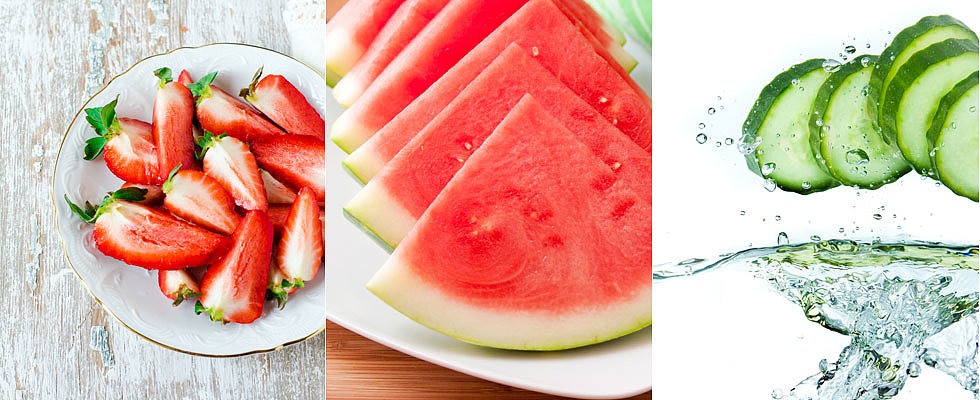
  2. Watermelon. Watermelon contains the antioxidant lycopene, which studies have associated with a decreased risk of skin cancer when regularly consumed. Watermelon also has a very high water content, which will help skin stay hydrated.
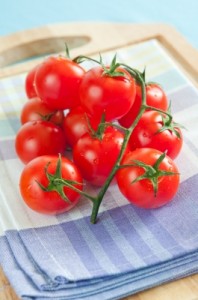
  3. Tomatoes. Like watermelon, tomatoes are a great source of water and lycopene, so it’s great that they’re so abundant at this time of year. Studies show that the lycopene in cooked tomatoes, especially when they are crushed and cooked with fat (think simple yummy tomato sauce with olive oil!), is more easily absorbed. I’ve written quite a few articles and recipes involving tomatoes, including how to freeze local and seasonal tomatoes so you can enjoy them year round. Make sure you check them out here!
  4. Carrots. Carrots are loaded with anti-oxidants, most notably beta-carotene. Human intervention studies have shown that beta-carotene can increase the skin’s protective mechanisms against sunlight.
  5. Dark leafy greens. Dark leafy greens, such as kale, Swiss chard, mustard and beet greens, and spinach, are loaded with antioxidants, many of which are emerging as being beneficial for skin health.

In addition to these local foods, a few others that have been shown to protect the skin from the damaging effects of the sun are: coconut oil, dark chocolate and green tea – and make sure you drink plenty of water to keep your skin hydrated so that it can do its job. If your skin is going to be exposed to the sun for long periods of time, you should use a good quality sunscreen. The Environmental Working Group’s annual Guide to Sunscreens is a great resource that will help you make make a healthy and effective choice.

Here’s to a few more lazy, hazy, crazy, and sunburn-free days of summer!

10 Ways to Eat Water

Most people I see don’t drink nearly enough water, and while it’s important to do so in any season, it’s especially important in the hot summer months. In this month’s tip, I’m sharing 10 foods that can significantly contribute to our hydration – in fact, eating a cup of one of these foods will hydrate us almost as well as a glass of water does!

Sick or Thirsty?

One of my most popular corporate workshops is called “The Fabulous 5: 5 Steps To Overall Good Health and Well-Being”. The first step I present is to drink plenty of pure, filtered water. It’s first on the list because we’re basically just a big bag of water with some minerals thrown in! Water is critical to the proper functioning of every single one of our cells, tissues and organs. A few of the many, many functions of water in the body are that it helps to regulate body temperature, lubricate joints, promote regular bowel movements, and flush out toxins. There’s a great book called “Your Body’s Many Cries For Water” that explains why not getting enough water can be the cause of many health problems, including blood pressure issues, joint pain/arthritis, weight management struggles, fatigue, and headaches.

How Much Is Enough?

While the amount of water we need depends on a number of things, including the food we eat, the temperature and humidity of our environment, and our activity level, a common rule-of-thumb to calculate how much water we should drink every day is to divide our body weight (in pounds) by 2. This gives the number of ounces of water one should drink each day (e.g. someone who weighs 160 pounds should drink 80 ounces of water per day). Based on this rule-of-thumb, are you drinking enough water?

Are You Hungry or Thirst?

If you’re not drinking enough water, you’re not alone. It’s my experience that most people don’t drink enough water, and I’ve heard all kinds of reasons why they don’t, including that they don’t like to drink water – it’s boring. There are all kinds of ways to ‘spruce up’ water, including infusing it with lemon and lime slices or with cut up fruit and fresh herbs like mint or basil. Another big reason why we don’t drink enough water is that we often mistake thirst as hunger, so when our body is really crying out for water, we eat something instead. Interestingly, studies have shown that drinking a glass of water shuts down hunger pangs in almost 100% of cases.

10 Ways to Eat Water

While we should strive to get most of our hydration from drinking pure, filtered water, we can get a significant amount of water from certain foods. Here is a list of 10 foods whose water content is over 90%! The water content of each food is listed in brackets for your learning pleasure.

1.  Cucumber (96%) – In addition to being a great source of water, cucumber is also high in silica – an important mineral for healthy bones, skin, hair, and nails. A cup of cucumber slices can hydrate the body almost as well as a glass of water can! Cucumber slices are often used to soothe puffy and swollen eyes and can bring relief to sunburnt skin. Now you know where the expression ‘cool as a cucumber’ comes from! I love cutting cucumbers lengthwise, scooping out the seeds, and filling them with egg salad. A cucumber-mint tzatziki is also a great way to get cucumber into more meals and snacks and it is so refreshing!

2.  Celery (96%) – When you eat a celery stick, it’s pretty obvious that it’s loaded with water. Celery is also a great source of sodium – and where sodium goes, water follows. Celery also helps with digestion and folklore claims it is a great tonic for the kidneys and joints.

3.  Tomatoes (95%) – You can’t beat a fresh-picked vine-ripened tomato! Delicious as is, or sliced with a drizzle of olive oil and a sprinkle of salt. If you like cool soups, gazpacho soup would be another great way to enjoy tomatoes in the summer time.

4.  Radishes (95%) – Radishes are often cited as having natural cooling properties to reduce excess heat in the body. They also help to stimulate our digestion. Slice them up and add them to your favourite salad recipe.

5.  Zucchini (95%) – I guess there’s a reason why zucchini plants are so fruitful in the summer! Zucchini is a versatile and mild-tasting veggie that will take on any flavour beautifully. It can be baked, grilled, and even turned into spaghetti. Check out my zucchini pasta recipe here!

July 2014 tip

6.  Watermelon (92%) – Big piles of whole watermelons in the grocery store or at the produce stand are a sure sign of summer! For all you soccer moms and dads out there, you know that watermelon slices are a popular ‘refuelling snack’ during and after games. While most melons have a water content of 90% or more, watermelons also contain essential electrolytes that help to keep the body hydrated, such as calcium, magnesium, potassium, and sodium. I don’t know about you, but I absolutely CRAVE watermelon in the summer!

7.  Strawberries (92%) – Another sign that summer is here – fresh, local strawberries! In addition to their high water content, strawberries are loaded with phytonutrients that have been shown to support cardiovascular health in many studies. Strawberries are one of the fruits that are typically identified as having high pesticide residues, so buy low-spray or organic whenever possible.

8.  Bell peppers (92%) – Bell peppers are a great source of water and vitamin C. When you are cutting them up, make sure you don’t cut away the white pithy part on the inside! It is full of bioflavonoids that are known to keep our blood vessel walls strong and healthy. Also, when buying bell peppers, go for a variety of colours – red, yellow, orange (many people find the green ones hard to digest) – to get a variety of nutrients. Like strawberries, bell peppers are often identified as having high pesticide residues, so buy organic whenever possible.

9.  Lettuce (90-95%) – Most greens have a high water content and are a great source of fibre and nutrients. Go for variety with your greens to ensure a variety of nutrients and to enjoy different flavours and textures. Bitter greens such as arugula and Belgian endive are great digestive aids.

10.  Broccoli (91%) – I can’t even begin to count the number of times I said “Eat your broccoli!” to my kids when they were growing up. Given its high water content, maybe I should have been saying “Drink your broccoli!” Broccoli is definitely a nutritional powerhouse.

In addition to adding these 10 water-packed foods to your meals and snacks, do your best to avoid ‘water-thieves’ (aka diuretics) that make the body lose water by promoting urine formation. Some common diuretics include caffeine (coffee, tea, and colas are typical sources), alcohol, soft drinks, and high protein diets.

The next time you serve a cucumber and tomato salad this summer, instead of saying “bon appetite”, you may want to say “cheers”!

So, cheers  to local summer time produce… and to your health!

Anna

Gazpacho

This tomato-based soup is served chilled and is a great addition to any summer-time meal! This recipe makes 6 to 8 servings.

What You’ll Need

  • 1 English cucumber
  • 1 bell pepper (red, yellow, or orange)
  • 6 tomatoes
  • 1 small red onion
  • 1 garlic clove, minced
  • 4 cups of tomato juice
  • 1/4 cup of red or white wine vinegar
  • 1/4 cup extra virgin cold-expeller pressed olive oil
  • 1 tsp Worchestershire sauce
  • 1 TBSP each of basil and parsley, finely chopped
  • salt and pepper to taste

Directions:

Finely chop all vegetables, or coarsely chop them and then pulse them in a food processor until the mixture is finely chopped, but not liquified. Mix all ingredients together, and refrigerate covered for several hours or overnight to let flavours blend.

Enjoy!

Tropical Breakfast ‘Mousse’

This ‘mousse’ was born out of the intent to turn a few items that were perfectly ripe into a breakfast smoothie. It turned out  too thick to be a smoothie, but since it had the most gorgeous, creamy texture, I decided to make it a new breakfast item: Tropical Breakfast Mousse! This recipe makes 2 servings.

What You’ll Need:

  • 1/2 cup plain, organic whole fat kefir (I made my own using organic goat milk, but you can use any good quality brand. I like Pinehedge Farms)
  • 1/2 of a ripe avocado (pitted and peeled)
  • about 1 cup of cubed fresh pineapple (leave the core in to reap the benefits of bromelain-  a substance which reduces inflammation and aids digestion)
  • 2-3 pitted whole dates
  • 2 TBSP coconut oil
  • 1/2 to 1 tsp cinnamon (suit your taste)
  • toppings (optional) – I used fresh berries, shredded unsweetened coconut, raw cacao nibs – and if you want a bit of sweet, a drizzle of local maple syrup or local raw honey

Instructions:

  • Put all of the ingredients (except the toppings!) into a blender (I used my VitaMix) and blend until very smooth and creamy.
  • scoop out into a bowl, add toppings, and enjoy!

5 Allergy Season Survival Tips

Ever heard the song called “While Strolling Through The Park One Day”? It’s a real oldie (from 1884!) and starts off with these lyrics:

“While strolling through the park one day,
In the merry merry month of May,
I was taken by surprise,
By a pair of roguish eyes,
I was scared but I didn’t run away!”

If you suffer from seasonal allergies, it likely won’t be a pair of roguish eyes you see in the park that take you by surprise and scare you, but rather your own bloodshot, red, runny, and itchy eyes that are staring back at you from the mirror after your stroll in the park!

Itchy eyes, sneezing, a runny nose – if your or someone you know has ever suffered from seasonal allergies (aka hayfever), you know how debilitating they can be. Here are 5 tips that can help relieve the symptoms associated with seasonal allergies.

1 – Limit your exposure to pollen.

You can do this in a number of ways:

  • surgical maskKeep your windows closed. Sure, opening a window brings a nice spring breeze into your home…and it also brings in pollen that will settle everywhere. Keep your indoor air ‘fresh’ by running the fan on your heating/cooling system and replacing the filter often (make sure the filter is designed to deal with pollen!)
  • Leave the pollen at the door. If you’ve spent some time outdoors, pollen will be on you and your clothes when you go back inside your home. Leave your shoes at the door, throw your clothes in the wash, and change in to fresh ones
  • Be aware of  pollen counts (which are generally highest in the morning and after dusk) and avoid outdoor activities or exercises that exert your breathing when pollen counts are high. Most weather channels/websites list pollen counts during hayfever season.
  • Wear a mask. I was in Japan a few years ago and noticed that many people were walking around wearing what looked like surgical masks. I soon learned that it was the height of allergy season, and rather than take drugs to mask the symptoms, many preferred to wear the masks which were specially designed to effectively block pollen.  I’m guessing you might get some funny looks standing at a bus stop in Ottawa wearing a mask…or you could be a trend setter!

2) Mind your nose.

nasal sprayHomeopathic nasal sprays, salt-based nasal sprays, and nasal rinses such as a netti pot, will help to wash pollen out of the nasal cavity and keep its mucous membranes hydrated and soothed.

 3) Homeopathic remedies.

homeopathy for allergiesAllium cepa and Euphrasia officinalis are two homeopathic remedies that offer relief from runny, itchy eyes. Allium cepa is made from red onion (think about what happens to your eyes when you chop red onions!) and Euphrasia officionalis is made from the flowering plant Euphrasia (commonly referred to as Eyebright). These remedies will help to modulate or balance the body’s response to allergens. You can also make Eyebright tea, let it cool, and use the tea as a rinse, compress, or bath for eye-related irritations. Drinking the tea can also help to decrease inflammation of the nasal cavity’s mucus membrane.

4) Change what you’re eating.

veggie headMucus-forming foods and foods high in histamine can aggravate allergy symptoms. Check out last spring’s tip of the month to learn more about how food can add to seasonal allergy grief and how to do something about it.

5) Give HistoPlex AB a try.

histoplex ABClick here to learn more about this proprietary blend of botanicals formulated to support immune response and provide relief from airborne seasonal allergy symptoms, inlcuding congestion, itchy eyes, and sneezing.

Here’s to the merry, merry month of May!

Yours in health,

Anna

I Gotta Gut Feeling…

big lobster guy compressed

It All Started When…

Last fall, I applied and was accepted to receive training as a GAPS (Gut and Psychology/Physiology Syndrome) Certified Practitioner. Only 1 in 6 who applied from across Canada and the U.S. were accepted. The location of the training was in Long Island New York, so I decided to celebrate my acceptance by adding a few days on to the drive down to explore the North Eastern US coast-line, where I got a chance to meet this fellow. Yikes!

The training was done via a live stream from the UK, by Dr. Natasha Campbell-McBride. Dr. Natasha is a Medical Doctor with two Post-Doctorate degrees: one in neurology, and one in human nutrition. In her clinic in Cambridge England, she specializes in nutrition for children and adults with behavioural, mood, and learning issues, as well as digestive and immune system disorders. As a parent of a child who fully recovered from a severe learning disability, she is acutely aware of the challenges of such situations and the critical role of nutrition in improving them. She firmly believes that the link between physical and mental health, the food and drink we consume, and the condition of our digestive system is absolute.

GAPS book cover compressedI had read her book Gut and Psychology Syndrome about a year before I applied for the GAPS certification training. The book provides an excellent explanation of the nutritional biochemical connections between gastrointestinal health and physical and mental health, and the importance of ‘healing and sealing’ the gut to optimize overall health. What I read in the book perfectly resonated with me, especially since it is very much in synch with so many of my existing health and nutritional views and practices. Within the first 5 minutes of Dr. Natasha’s training program, I had a gut feeling (no pun intended!) that what I was going to learn over the course of those next few days was going to be life-altering for myself and those who I would share it with.

 Our “Second Brain”

our second brainAn expression that I often came across when I first started researching and studying natural health and nutrition almost 20 years ago was “health begins in the gut”. It’s pretty obvious that a healthy gut is important for nutrient and water absorption, some vitamin production, and the elimination of toxins – but that’s only part of the story. Our gut has its own very complex nervous system known as the enteric nervous system (ENS). We’ve known for a long time that the ENS controls digestion, and now we’re discovering more and more about its important role in our overall physical and mental well-being. Isn’t it ironic that we have expressions such as ‘listen to your gut’ and ‘gut thinking’? Research has shown us that the ENS works both independently and in partnership with our brain. While we are not consciously aware of the ‘thinking’ and ‘communicating’ work of our ENS, a lot of the information that it sends to the brain (and a few other parts of the body) affects our actions and overall well-being. In fact, it’s often difficult for the brain in our head to function and think clearly when the brain in our gut is out of balance.

We’re Only Human…Or Are We?

gut floraMounting research from around the world suggests that gut health is critical to virtually every aspect of our overall physical and mental functioning and health. This isn’t surprising when you consider the complexity of the ENS. Add to that the fact that 90% of the trillions of cells in our body are not human, but rather microbes (e.g. bacteria), most of which reside in our gut. There are typically 2.5 to 3 kilograms of microbes in a healthy adult body!

The variety and health of these microbes dictates the health of our gut, and therefore, by association, our psychological and physical (physiological) health. Emerging research is making it quite evident that a faulty physiology and a faulty psychology often go hand-in-hand.

The initial major insult on the variety and health of our gut microbes started with the widespread use of antibiotics, most likely around the time of World War II. Antibiotics were used to kill ‘bad’ bacteria in the body; however, they also killed ‘good’ bacteria in the body – including the good ones in the gut. During the time that antibiotics are taken, the bad bacteria (who aren’t actually all bad when we have enough good bacteria present to keep them in check), proliferate out of control, damaging our digestive system, and producing more toxins than the body’s natural detoxification processes can handle. Under these conditions, it’s only a matter of time until the body’s detoxification processes collapse, and as Dr. Natasha puts it, this is the “exact moment of the first symptoms of chronic diseases”.

While antibiotics are still a primary cause of healthy gut microbe destruction, there are numerous other causes that have made their way into the mix including: birth control pills, steroids, hormonal drugs, chlorine and fluoride (think tap water), coffee, carbonated drinks, radiation, processed foods, pesticide/herbicide/fertilizer residues on food crops, an acidic pH (which can develop due to the foods we eat, especially sugar, grains, and feedlot animal products), and finally stress. I’m betting that most of you reading this may have exposure to some of these things in your day-to-day life.

Auto-Immune Disorders And Gut Disorders

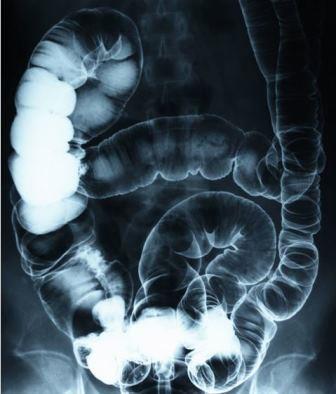
gut xray compressedIt’s important to note that 85% to 90% of our immunity is in our gut, and that our gut microbes and our immune system are in constant communication. If we have abnormal gut flora, abnormal or ‘faulty’ information and instructions are communicated to the immune system, which means it will not be able to function properly and will also start making ‘mistakes’. From a GAPS perspective, this breakdown in communication is the start of auto-immune diseases such as Rheumatoid Arthritis, Lupus (SLE), Multiple Sclerosis, various thyroid issues including Graves’ Disease, and many more. Incredibly, there are over 200 identified auto-immune diseases. From this perspective, we can see why a gut disorder can lead to an auto-immune disorder.

Dr. Natasha has thousands of clinical experiences involving the improvement of psychological and physiological conditions among children and adults who are following the GAPS protocol, including: autism, learning/social/behavioural/mood issues, digestive disorders of all types including IBS, Crohns, and colitis, various types of arthritis, fibromyalgia and chronic fatigue, chronic headaches, and depression (did you know that the majority of serotonin, our ‘feel good’ hormone, is made in the gut?).

Filling in the GAPS – GAPS Support Groups

While I’m a long way from accumulating the amount of GAPS clinical experience that Dr. Natasha has under her belt, in the short time that I have been working with clients who have come to see me to get information, guidance, and support regarding GAPS, I have already heard some wonderful stories from them, including adults who have felt a shift in fatigue, depression, anxiety, or ‘brain fog’ that has been with them for most of their lives, and parents who are noticing improved behaviour, concentration, and focus among their children.

GAPS A logo compressedIn addition to the official training I received from Dr. Natasha, I am learning more about GAPS daily as my wonderful clients of all ages share stories about their challenges and successes with GAPS. Many have expressed an interest in some type of ‘support group’, so I am pleased to announce that I will be holding a GAPS support group on Thursday April 24th 2014, from 7:00 – 9:00 pm. I have two locations on hold, both in the west end (Carling/Maitland and Carling/Richmond area). Why two locations? Because everyone that I mentioned the support groups to have already expressed an interest in attending, and if any of you reading this would like to come, I want to make sure I have a space large enough to accommodate everyone. I will confirm the location several days ahead of time.

The format of this first two-hour meeting will be a structured 45 to 60 minute presentation related to the foundational philosophy of GAPS, followed by an hour or so of open group discussion to share and learn from each other, and evolve the structure of potential future support group meetings, which may include GAPS food prep demonstrations and recipe swapping, as well as guest speakers to address other issues related to GAPS.

My wish is to make these groups as affordable as possible, while still being able to secure a location with adequate space, providing handouts when appropriate, and covering the cost of supplies for possible food prep demos in future. This should be possible with a registration fee of $25.

To register for this inaugural GAPS support group, please click here. If you have any questions, or are unable to register for any reason, please send me an email at info@perfectresonance.com

Finally, in honour of April being Autism Awareness month, I will be donating 10% of the registration fee of this first GAPS support group meeting to the Ottawa-based non-profit organization, QuickStart. QuickStart’s mission is to see that all children on the autism spectrum have equal opportunity to develop to their full potential through early intervention. In addition, I will be making a $100 dollar personal donation to Quickstart. I encourage you to consider making a personal donation as well (any amount helps!), and to spread the word about this wonderful organization.

Yours in good (gut) health,

Anna

Why I’m Not a Fan of “10-Day Detoxes”

At this time of year, everyone is promoting some kind of quick detox product or program. 10-Day Detox books are front and centre, the latest celebrity ‘detox-and-lose-weight-fast’ diet is all the rage, and detox kits are hitting the shelf just in time for ‘spring cleaning’.  I also start getting questions that sound something like this: “I want to do a 10-day detox this spring. Which one of those kits do you recommend?” My answer is that I’m not keen on them.

In this month’s tip, I’m sharing:

  • the reason why I’ve never purchased and done a ‘10-day detox’ kit
  • a few things you may want to consider before you run out and buy one of those kits
  • a “Top 10” list (which includes a video demonstrating a quick  ‘activity’ that you can  easily work into your daily routine) for supporting one of your body’s largest, natural, self-driven, ‘detox’ mechanisms which is at work every day

The body is naturally programmed to ‘self-clean’ … every day

self clean buttonThe more I learn about the body, the more I am in awe of its amazing and beautiful design. Among many of its wonders is that it is naturally programmed to ‘detoxify’ and ‘cleanse’ every single day.  Our bodies have been doing this since the beginning of time…since before 10-Day Detoxes were even a twinkle in someone’s eye!

How well our bodies carry out their ‘self-cleaning cycles’ depends primarily on two things:

  1. How many toxins (aka “crap”) they get exposed to through: what we eat and drink (alcohol, soft-drinks, fast foods, junk/snack foods, soft drinks, packaged and processed foods that contain unhealthy fats and all kinds of sugars – even many ‘natural and healthy’ packaged foods are full of garbage), the water we drink and cook with, the water we bathe and play in, the air we breathe, the lotions and potions we put on our skin and hair, and even the lotions and potions we use to clean our clothes, our homes, and our cars.  There’s even a growing body of research on the harmful effects of electromagnetic pollution (e.g. cell phone towers, Wi-Fi) on our health.
  2. The condition (and hence functioning) of the organs that do the detox and cleansing work for the body.  We most commonly associate the liver and kidneys with detoxing and cleansing, however, many other organs also play a role, including the lungs, the stomach, the urinary bladder, the large intestine/colon, and last, but not least, the skin. I’m going to collectively refer to these organs as our eliminative organs.

Detox and Feel Better…or Worse…

coin tossI suspect the main reason why people report feeling better during or right after a ’10-Day Detox’ is that they paid more attention to eating healthier, taking supplements, drinking more water, and perhaps moving a bit every day during the detox period. On its own, eating healthier reduces the amount of toxins we ingest through food and increases the amount of health-boosting nutrients to fuel our bodies – including our eliminative organs.

If our eliminative organs are working properly, there is no need for ‘extra cleansing’ … that is, provided they aren’t being over-taxed 24/7 with toxins from the items listed in #1 above! If any of our eliminative organs are sluggish, which is unfortunately the case for many of us, a 10-day detox isn’t going to make much of a dent (except for maybe in our pocket-books); in fact, I have seen cases when they have led to more harm than good. Unfortunately, just like other ‘quick-fix-diets’, once a 10-day detox and cleanse program is over, old habits are quick to return. Rather than focusing on ‘doing a 10-day detox’, let’s focus on what we can do on a daily basis to support the work horses of our body’s naturally programmed ‘self-cleaning’ cycle – our eliminative organs.

The Skinny on Skin

attractive young healthy caucasian womanSince the skin is the largest organ of elimination, and is responsible for 25% of the body’s daily detoxification, I’m going to give it the spotlight. Here’s my ‘Top 10 List’ for optimizing the overall health and detox function of the skin:


  1. Dry skin brushing promotes the health of the skin by removing dead layers of skin cells and encouraging circulation to the skin. Both of these will improve the skin’s eliminative function. It’s so quick and easy that you can do it every day. Here’s a video to show you how.
  2. Drink plenty of pure, filtered water and eat more high water foods. Fruits and vegetables are the winners here, with some specific examples being melons (especially watermelon), grapefruit, strawberries – organic if possible, cabbage, squash, cucumbers, and celery.
  3. Take an omega-3 fish oil supplement daily and eat more omega-3 foods such as cold water fish (salmon, mackerel, sardines), ground flax seeds, chia seeds, and walnuts.
  4. Wear clothes made of natural fibres to allow your skin to ‘breathe’. Also be aware that clothes and bed sheets washed in certain laundry detergents can irritate the skin, so consider using more natural/bio-degradable options.
  5. Avoid anti-perspirants. They block the skin’s eliminative function, thereby putting stress on other eliminative organs. Many commercial brands also contain aluminum, which should be avoided. Use a natural deodorant stick instead.
  6. Do something that makes you sweat, such as brisk exercise, saunas, or steam baths, as toxins can be eliminated through sweat.
  7. Take an Epsom salt bath a few times a week. Add 1 cup of Epsom salts to a warm tub of water and soak in it for up to 20 minutes (no longer).
  8. Note that the skin is equally efficient at absorbing toxins as it is at excreting them, so be mindful of what you put on your skin!  My rule is if I wouldn’t eat it, I avoid putting it on my skin. High quality coconut oil is my year-round body lotion, face cream, make-up remover, and bath oil.
  9. If you have to wear sunscreen, beware of the ingredients. Many contain chemicals that can cause skin irritation, skin damage, and more. Check out the Environmental Working Group’s annual Sunscreen Guide to compare brands and make the best choice possible.
  10. Get a filter that takes the chlorine out your shower and bath water. Some sources claim that during a 10-minute hot shower, more chlorine is absorbed into the body compared with the amount that is absorbed by drinking 8 glasses of the same water. This is because during the shower, in addition to being absorbed through the skin, the chlorine in the water may evaporate into a noxious gas which you then inhale. You can purchase a wide variety of water filters for your shower, bath, and drinking water at water specialty stores. If you live in Ottawa, check out WaterMart, located in Bells Corners, at 3825 Richmond Road, Ottawa 613-768-9676.  Mark, Dan, and their knowledgeable staff will help you find the products that best fit your water usage and budget.

If the idea of detoxing still really appeals to you, then starting right now, be a bit more mindful of what you are putting in and on your body every single day. Starting today, make a daily effort to support your body’s self-cleaning cycle by eating more fresh whole foods (hint: they don’t come in boxes, cans, packets, or microwaveable packaging) especially more vegetables of all colours, eat fewer grains and grain products, buy organic and pastured meats, eggs, and dairy products when possible, drink plenty of pure filtered water, and move your body as much as you can.

I don’t know about you, but I can’t keep everything in my house clean and running smoothly by just giving it a good ‘once over’ in the spring – and I believe the same is true for my body!

Yours in good, clean health,

Anna

Privacy Policy

Website Maintenance and Services by Andrew Wardell