February 5, 2026
By Anna Varriano
 [printfriendly]
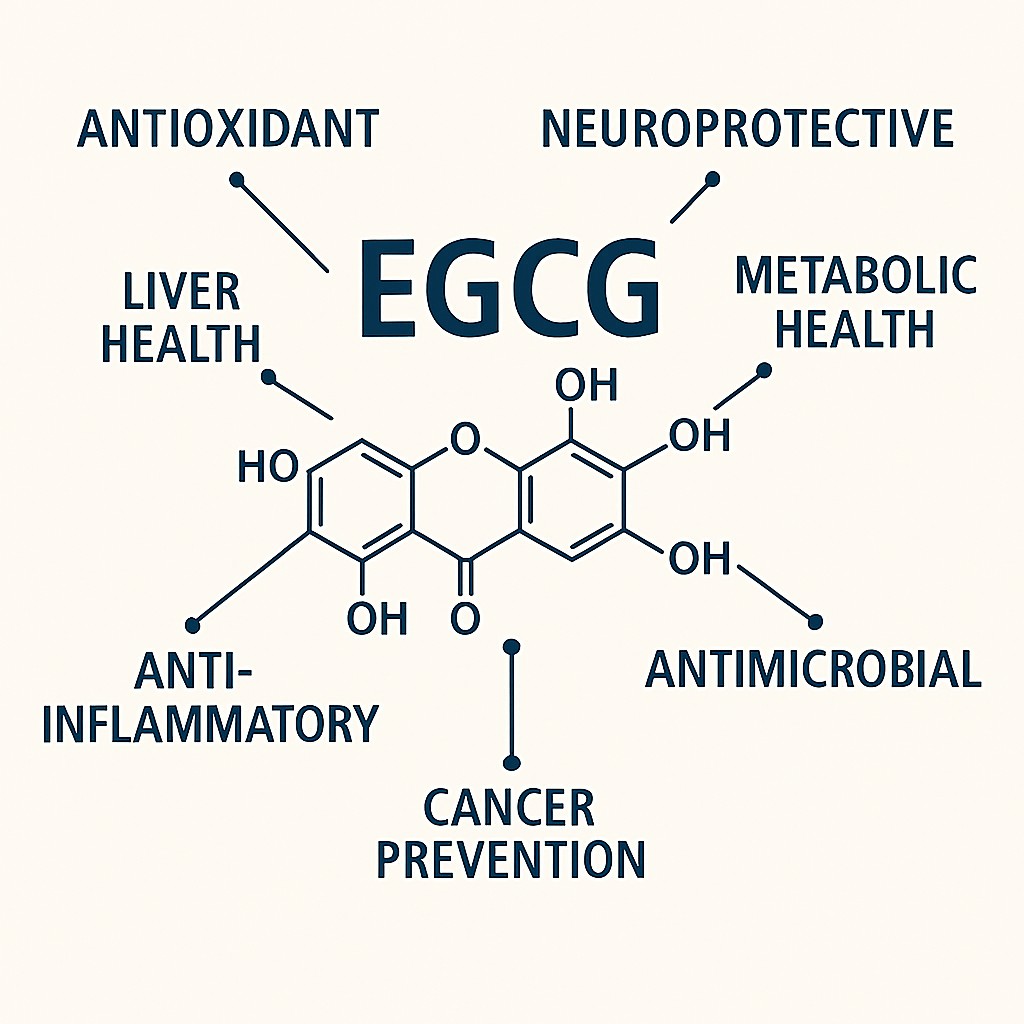
Green tea has long been associated with a long list of health benefits, which are primarily thanks to its high concentration of a health-boosting substance called epigallocatechin gallate, or EGCG. EGCG has received a lot of attention and extensive research for decades, and it is clear that it is a very powerful health-boosting substance that influences several key biological pathways involved in inflammation, fat metabolism, insulin signaling, and oxidative stress, which explains its broad range of potential health benefits, including:
Potent Antioxidant Activity
EGCG helps neutralize free radicals and reduce oxidative stress which contribute to aging and chronic disease.
Supports Liver Health
EGCG has been studied for its role in non-alcoholic fatty liver disease (NAFLD). Evidence suggests it may reduce fat accumulation in the liver, improve insulin sensitivity, and lower inflammatory markers.
Improves Metabolic Function
EGCG supports metabolic health by activating AMPK, a substance which is a key regulator of fat and glucose metabolism. This supports blood glucose control, reductions in body fat, and cardiovascular health.
Anti-Inflammatory Effects
EGCG has been shown to help reduce chronic inflammation which is an underlying factor in numerous health conditions.
Cellular Protection and Cancer Prevention
ECGC has garnered significant attention for it potential anti-cancer properties across a range of cancers. Its protective effects may contribute to long-term cancer risk reduction.
Antimicrobial Power
Numerous studies have documented EGCG’s significant involvement in fighting various bacterial, viral, and fungal strains.
Neuroprotective Effects
Emerging research indicates EGCG may support brain health by protecting brain cells from oxidative damage and supporting cognitive resilience, particularly with aging.
That’s a very impressive list!
Dietary Sources of EGCG
In terms of dietary sources, there’s some good news, then some bad news, and then some more good news.
The good news is that many teas contain EGCG; in fact, it is found almost exclusively in tea, with matcha tea having the highest concentration. While black tea contains some EGCG, the level is significantly lower compared to green teas due to the fermentation of black tea.
The not so good news is that although all green teas come from the same plant (Camellia sinensis), where the plants are grown, how they’re processed, stored and prepared, and when they’re harvested make a big difference in the EGCG content, especially for matcha tea.
I make myself tea from high quality matcha tea powder almost every day and absolutely love it. Here are some things to look for when buying matcha tea powder:
- Country of Origin: Matcha tea powder from Japan is the gold standard (ideally from Uji, Nishio, Kyoto, Kagoshima, or Shizuoka regions). Beware of teas that don’t list a country of origin.
- Colour: The matcha powder should be a vibrant, bright green colour. This indicates the plants were properly shaded, boosting the matcha’s health-boosting nutrient content.
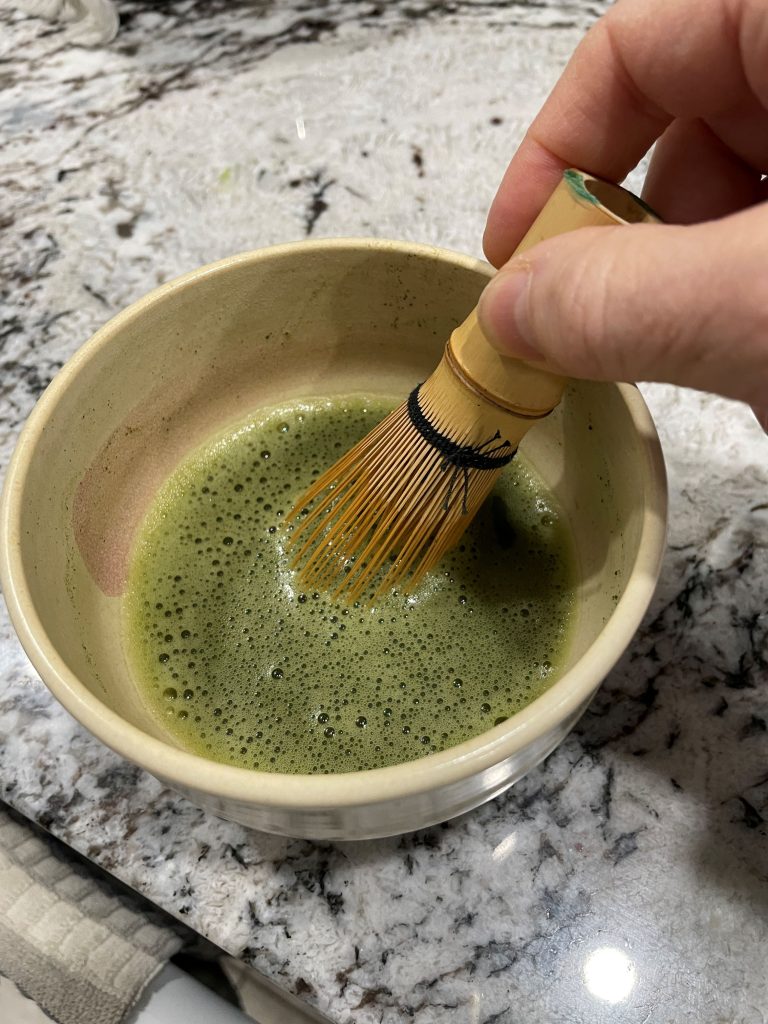
- Consistency: Look for a smooth and silky ultra fine powder that dissolves well when whisked with a traditional bamboo whisk (you should get a smooth, frothy tea).
- Aroma: Fresh, grassy, sweet.
- Flavour: Umami (subtly both sweet and savoury – think baby spinach) with little/no bitterness.
- Packaging: Airtight packaging to preserve freshness.
- Price: Low prices usually indicate low quality.
- Grade: Ceremonial grade is the highest quality.
- Ingredients: 100% matcha – no additives.
- Other: Look for matcha that is organic and has been tested for heavy metals.
The other not so good news is that to optimize the therapeutic health benefits of EGCG from drinking matcha, most people would need to drink several cups per day, which is often not realistic or well tolerated. Note that matcha contains caffeine, so if you need to avoid caffeine for any reason, look for decaf matcha. Also, be aware that using water that is too hot can degrade EGCG and other beneficial compounds in matcha. The optimal, nutrient-preserving water temperature is between 160F and 175F (70C-80C), so don’t use boiling water right out of the kettle!
To make a smooth, clump-free, frothy matcha tea, I suggest you get yourself a traditional bamboo whisk and tea bowl (chawan) for best results. I mix about ½ tsp of matcha tea powder with 2 to 3 ounces of water in a cup or bowl, and whisk until smooth and frothy. I use an ‘M-shaped’ movement across my bowl with the whisk – not a circular pattern.
Is There An Alternative?
If you’re not into drinking matcha tea or can’t be bothered with the tools and process needed for optimal results, the good news is that EGCG can also be taken in supplement form. As is the case with any supplement, quality matters. Not all EGCG supplements are created equal. The effectiveness and safety of EGCG depend heavily on purity, standardization, dosing, and formulation. Many over-the-counter green tea extracts:
- are poorly standardized
- contain inconsistent catechin levels
- may include unnecessary fillers or stimulants
- are not tested rigorously for quality or stability
For this reason, professional-grade supplements, such as Biotic Research Canada’s EGCG-200mg, are preferred when EGCG is used therapeutically. This product:
- provides a standardized dose of EGCG
- is manufactured under strict quality control and third-party testing
- avoids unnecessary additives and excessive caffeine
- is formulated for consistent, predictable dosing, which is essential when supporting liver and metabolic health
This level of quality is especially important for individuals with fatty liver, insulin resistance, or chronic inflammation, where both efficacy and safety matter.

Biotic Research Canada’s EGCG-200mg is available in bottles of 60 capsules. Each capsule contains 400 mg of green tea extract supplying 200 mg of EGCG, along with 10 mcg each of superoxide dismutase and catalase, two very important antioxidant enzymes. It also contains less than 8 mg of caffeine per dose (for reference, an 8 oz cup of coffee can contain anywhere from 95 – 165 mg).
How EGCG Is Typically Used Clinically
In practice, EGCG supplementation is often used as part of a broader nutrition and lifestyle strategy, rather than as a stand-alone intervention. It may be combined with:
- a whole-food, anti-inflammatory eating pattern
- targeted nutrients for liver support
- blood sugar–balancing strategies
- movement and stress management
Thanks to Biotics Research Canada’s practitioner affiliate program, if you live in Canada, you can now order its EGCG supplement online and have it delivered straight to your door (shipping fees will be applied).
When starting any new supplement, especially one like EGCG that has strong biological activity, it is important to consult your primary health care provider and/or nutritionist (like yours truly). More isn’t always better, so do not exceed the recommended dose. Also note that this product is not recommended for pregnant women and individual’s with liver disease or related disorders and is not intended as a weight loss supplement.
Interestingly, Health Canada has assessed EGCG and states that “a conservative background dietary exposure for adults, based on data from the 2015 Canadian Community Health Survey (Health Canada, 2018), was 3 cups of green tea per day or approximately 300 mg EGCG per day.”
and
“Based on the human studies of healthy populations, a NOAEL (no-observed-adverse-effect level) for GTE equivalent to 600 mg EGCG per day, was identified.”
Take control of what you can.
References:
Capasso et al. EGCG: Pharmacological Properties, Biological Activities, and Therapeutic Potential Molecules 2025
Yong Du et al. EGCG Dampens NAFLD Nutrients 2021
Kambog et al. Neuroprotective Insights into EGCG, Exploration of Neuroscience 2025
Summary of Health Canada’s Safety Assessment of Green Tea Extract for Use as a Supplemental Ingredient, September 20, 2023
Health Canada’s proposal to enable the use of green tea extract (EGCG/catechins) as a supplemental ingredient in foods. Notice of Proposal – List of Permitted Supplemental Ingredients Reference Number: NOP/ADP SI-001, July 28, 2022
[printfriendly]Join my email list and start living healthier!
- Tips & advice on healthier living
- Special promotions & offers
- Sent a few times a month to your inbox

Subscribe today and you'll receive a free e-guide that outlines the four key supplements you need for lifelong health!