In this video, I’ll show you how to support your detoxing efforts using a technique called dry skin brushing.
Cracking the Cholesterol Caper
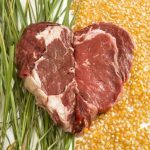
February is officially ‘Heart Health Month’. As those of you who attended my ‘The Skinny on Fats’ workshop last month know, I am acknowledging ‘Heart Health Month’ by putting together a workshop on heart health, which will cover many topics, including high blood pressure and cholesterol. Stay tuned for details; however, as usual, space will be limited, so if this is a workshop that would be of interest to you, please call, email, or Facebook message me, and let me know if you have a preference for a week night or a Saturday day-time workshop, and I’ll try to accommodate the majority.
As ‘coincidence’ would have it, I have had a string of new clients in the past week or so who have recently been told by their medical doctors that their cholesterol numbers aren’t good. Their doctors recommended the most common conventional treatment, which is to go on a statin (cholesterol lowering) drug, such as Lipitor or Crestor. These clients wanted to know if there is anything else they can do to improve their cholesterol numbers, other than going on a statin drug.
It is not my place to tell someone whether or not they should be on a prescription drug. I am not a medical doctor. I was not trained in prescription drugs, surgery, or the diagnosis of disease. In addition, an individual needs to feel comfortable and confident with how they choose to manage their health. What I can do, however, is share:
-
My understanding of statin drugs based on information I have come across; and
-
Nutritional and lifestyle changes that can positively impact cholesterol levels (and overall health).
So let’s get started!
1) Information That I Have Read Regarding Statin Drugs
Statin drugs work by blocking an enzyme/a pathway in the liver that produces cholesterol, as well as by binding more cholesterol to be eliminated via bowel movements. Did you catch that? Our liver naturally produces cholesterol to make sure we have enough of it. Why? Because it is an important substance that we cannot live without! Now you may be asking yourself: If cholesterol is an important substance in the body, why would we want to lower it? It’s because the long-held theory is that cholesterol significantly raises the risk of heart disease – including heart attacks and strokes. So, you have high cholesterol, you take a statin drug, you reduce your risk of heart disease. Case closed. Or is it?
There is an emerging theory that is causing quite a bit of controversy within the medical community right now – and that theory is that cholesterol is not the cause of heart disease.
Why is it controversial? The Heart and Stroke Foundation states: “About 40% of Canadians have high blood cholesterol” and “It is estimated that as many as 10 million Canadian adults have a cholesterol level higher than the recommended target.” That’s a lot of people who may be taking a drug that isn’t addressing the cause of heart disease, and that may cause other health risks. In fact, some sources state that the manufacturers of statin drugs list more than 130 possible side effects, including muscle pain (myalgia), fatigue, forgetfulness, and liver damage.
Health Canada recently updated the labelling for commonly prescribed statin drugs to warn users that they may be at a ‘small’ increased risk of developing diabetes. (1) That’s pretty ironic since diabetes is a risk factor for heart disease and stroke (the very things you are trying to protect yourself from by taking a statin drug). Health Canada went on to say that it believes the benefits of the medication still outweigh its risks, and that doctors should carefully monitor the use of statins among those patients who have diabetes risk factors, which include high blood sugar levels, high triglyceride levels, being obese, and having high blood pressure. I wouldn’t be surprised if that includes the majority of statin drug users – and incidentally, all of those risk factors can be positively impacted by nutrition and lifestyle (but I suppose there’s not much corporate profit in that route). Interestingly, I recently read that statin drugs are the number one profit makers for the pharmaceutical industry and that they are rapidly becoming the most prescribed drug in North America, where they are even being prescribed for use by children…as young as 8 years old!
Recall that statin drugs work by interfering with the body’s natural cholesterol-producing pathway. That isn’t the only production pathway they interfere with. It is well documented that statin drugs deplete the body’s stores of a compound called Coenzyme Q10, also known as CoQ10, or ubiquinone. CoQ10 is essential in cellular energy production, and all functions of our cells, organs, and immune system depend on this cellular energy. CoQ10 is ESPECIALLY ABUNDANT IN THE CELLS OF THE HEART, since the heart needs loads of energy to continuously pump and keep us alive. I find it ironic that statin drugs are prescribed to protect heart health, yet they deplete the heart of one of its most important requirements.
The effects of statin drugs on CoQ10 production is not a new theory; in fact, a medical doctor by the name of Julian Whitaker filed a Citizen’s Petition with the FDA in May of 2002 stating that all statin drugs must include a warning statement regarding statin-induced CoQ10 depletion, as well as the recommendation that all individuals on these drugs be advised to supplement with 100 to 200 mg of CoQ10 per day. (2) While the FDA did announce safety changes in labelling for some cholesterol-lowering drugs in February 2012 (about 10 years after the petition was filed!), it is my understanding that they did not mention or address the relationship between statin drug use and CoQ10 depletion – only the potential side effects of the drugs.
The good news is that CoQ10 depletion associated with statin drug use can be reversed by supplementation. Dosages vary, but most sources claim that levels can generally be replenished by supplementing with 100 to 200 mg per day. Note that CoQ10 production also decreases with normal aging – and many sources suggest that age-related health problems are caused or exacerbated by this decrease of CoQ10, so CoQ10 supplementation could benefit us all – especially as we get up there in years. In fact, the strongest clinical evidence for the use of CoQ10, in addition to addressing cardiovascular conditions (including high blood pressure), is in the treatment of Alzheimer’s disease. (3) CoQ10 supplements are widely available, including at Perfect Resonance. Look for quality brands with good bio-availability.
2) Nutritional and Lifestyle Changes that Can Positively Impact Cholesterol Levels
In terms of nutrition, I hear people say things like: “I have a cholesterol problem…
-
…so I don’t eat eggs, or red meat.”
-
…so I don’t eat butter. I’ve switched to margarine and vegetable oils.”
-
…so I use those egg whites that come in a carton for my omelettes.”
-
…and I’m praying you won’t tell me that I have to give up my cheese!” (OK – that’s just what I would say! I love cheese…made with RAW milk…especially raw sheep or goat milk!)
For those of you who attended my ‘The Skinny on Fats’ workshop, you know what I would say to the above!
If more and more research is suggesting that cholesterol is not the cause of heart disease, then what is? I believe it is the same thing that is the foundation of so many health issues – improper nutrition (due to the huge amount of misinformation and contradictory information out there on this topic) and poor lifestyle habits, which ultimately lead to body-wide inflammation.
In terms of nutrition, here are a few things you can do to reduce inflammation in the body:
-
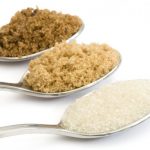
Avoid sugar in all its forms (white sugar, brown sugar, corn syrups, etc) as well as artificial sweeteners.
-
Avoid/limit grain products, especially processed and refined grain products. If you are going to eat grain products, it would be best if they were whole, soaked and sprouted. I would still recommend avoiding gluten-containing grains, especially wheat (and where you find wheat, you usually find sugar!).
-
Avoid/limit high starchy foods (e.g. rice, corn, potatoes).
-
Eliminate trans/hydrogenated/modified fats and oils.
-
Avoid processed/refined oils (which means almost all of those golden liquid vegetable oils on grocery store shelves). Stick with natural, unrefined fats and oils, such as butter, cold-expeller pressed extra-virgin olive oil, and heart-healthy coconut oil. If you think [genetically modified low erucic acid/high oleic acid] canola oil is healthy for you, I invite you to watch this video:http://www.youtube.com/watch?v=Cfk2IXlZdbI Crikey! How much more processed can you get? YUCK!
-
Increase sources of omega-3 fatty acids, such as ground flax seeds, chia seeds, walnuts, cold-water fish (preferably wild or ‘line-caught’), and omega-3 supplements such as fish or krill oil. A deficiency of omega-3 fatty acids promotes inflammation.
-
Avoid packaged foods that contain fructose in any form, especially in the form of high fructose corn syrup (HFCS). HFCS can be found in soft drinks, juices, salad dressing, condiments, marinades, sauces, baked goods (including bread), and too many other packaged foods to mention. In my opinion, HFCS is toxic (and not just because it is made with genetically modified corn). Read the labels on all packaged foods…or better yet, buy foods that doesn’t require labels!
-
Up your fibre by eating more whole foods, especially veggies.
In terms of lifestyle…get active in whatever way you enjoy!
There may be cases where statin drugs are beneficial and/or required to treat cholesterol imbalances. A minority of individuals are not able to achieve results with nutritional or lifestyle changes. Regardless of your situation, if you are on a statin drug, I encourage you to talk to your doctor or health care practitioner about supplementing with CoQ10. While supplemental CoQ10 has not been shown to reduce a statin’s cholesterol-lowering properties, or to have any adverse reaction related to statin use, it may increase the action of blood-thinning drugs. Consult your physician about potential drug interactions…and if you want to learn more about nutrition and lifestyle choices that will help to naturally support a healthy cardiovascular system, I’ll look forward to seeing you at my heart health workshop!
Take control of what you can!
References:
-
Natural Standard Database
How to Make Your Own Coconut Milk
In this video, you’ll learn how to make your own coconut milk.
New Year’s Day Resolutions
Happy 2013 everyone! I trust you all had a wonderful holiday with friends and family.
2013 has delivered two unforgettable experiences for me so far. First, my daughters and I spent New Year’s Eve with my parents in Florida, where they treated us to a spectacular “Fantasy Ball” at the Breakers Palm Beach Florida (the photo above is of the INDIVIDUAL desserts served – and yes, I did enjoy SOME of it!). My parents have wanted to do this for years, and this year was the year, in honour of the second unforgettable experience I had this month – turning the big Five-Oh. I was so deeply touched by all of the wonderful friends and family who sent wishes, cards, notes, flowers and gifts, and also celebrated with me in person one way or another.
Now I’m being asked if I ‘feel’ 50. What is 50 supposed to feel like? Am I supposed to feel wiser? Happier? Depressed that my life is half over (not according to my dear Uncle John who wished me another 50, and another 55 after that!)? Less energetic? Have more aches and pains?
My belief is that we can be happy and healthy at any age – provided we make the right nutritional and lifestyle choices, and have the right mindset – and it’s never too late to start!
I’m also being asked to share my New Year’s resolutions. OK. Here it goes: I don’t have any. Why? Because I like to take the approach that I should make every day an opportunity to commit to a happier and healthier life. Having said that, I’ve heard lots of people talking about their resolutions, and as always, losing weight and eating better make the top of the list.
Needless to say, these two things go hand in hand. In the past week, I’ve heard so many people talking about the ‘diet’ they’ve just started. Most of them seem kind of sad about it – sighing about how miserable and hard it’s going to be. That doesn’t’ sound like a very Happy New Year to me!
When you hear the word ‘diet’, how does it make you feel? Does it make you excited? Or do you conjure up images of powdered meal replacements, a fridge full of celery sticks and grapefruit, serious calorie reduction, feeling hungry all the time, having to measure things and weigh things, having to count calories, losing weight for a period of time and then gaining it all back? By the way, that last point is the reality of dieting.
What is dieting anyway? Merriam-Webster defines it as: a regimen of eating and drinking sparingly so as to reduce one’s weight <going on a diet>. Interestingly, the word ‘diet’ comes from the Greek word ‘diaita’, which means ‘a manner or a way of living’. It has nothing to do with a regimen of eating and drinking sparingly to lose weight! So, what if we shifted our focus back to the origin of the word?
Instead of embarking on a limited time ‘regimen’ that will lead to the short-term result of losing weight (that we’ll gain back once we’ve had enough of the ‘regimen’), why not embark on a process of making simple, daily decisions that over time will lead to the long-term result of a healthy, happy way of living that is going to boost our overall wellness, and come with the amazing side-effect of losing weight?
Healthy, life-long weight loss/management will only happen when we get on a path of making practical, healthy changes, at a pace that we can handle, so that before we know it, those changes are a part of our everyday ‘manner or way of living’. It takes time and effort, but it’s not that hard – and it can be fun and exciting! It takes focus and determination at first, but before you know it, you’re on an effortless path to health. I know it works because I’ve seen so many of my clients do it – and years ago, I gradually lost about 20 pounds, and not a single one has ever found its way back to me – and you can experience it to, providing you have the right skill set (knowing what changes to make), and the right mindset (feeling good about the changes you make).
This is the holistic mind-body approach offered through the Mindful Weight Control program, developed by myself and Marlene Keys. You’ve probably heard me talk about this amazing program before, and I wanted to let you know that the results participants are sharing with me and Marlene are truly inspiring and rewarding.
And finally, I wanted to let you know that on Thursday, January 31st 2013 from 7:00pm-9:00pm, I’ll be giving my workshop “The Skinny on Fats: The Good, The Bad, and The Ugly”. It’s by far one of my most requested workshops. There is so much confusing information out there about fats, many of us are making the wrong choices. Low-fat and no-fat foods are not the answer! You have to eat fat to lose fat! But do you know which ones? All animal fats are not evil. All vegetable fats are not healthy. If you’re not making the right choices (and most people aren’t), you could be sabotaging not only your weight loss efforts, but your overall health. The cost of this workshop is $20, but if you have purchased the Mindful Weight Control Program by then, you can register and attend the workshop free of charge!
As always, I look forward to partnering with you to help you achieve a healthier, more vibrant you in 2013!
Alzheimer’s = Type 3 Diabetes
I just finished reading an article entitled “Prepare Yourself for Type 3 Diabetes” (Alternatives; Vol 15; No 11, Nov 2012). Upon reading the title, I thought: “Yikes! We don’t even have a handle on Type 2 diabetes, and now there’s a Type 3?”
Before I go any further, here’s a quick description of Type 1 and 2 diabetes.
Type 1: Generally occurs before age 30. Caused by destruction of the pancreatic cells that produce insulin, resulting in little or no circulating insulin. Insulin must be taken daily.
Type 2: Generally occurs after age 30 (aka Adult Onset Diabetes. Sadly, we are seeing earlier onset, with Type 2 diabetes becoming a childhood disease). Cause is strongly associated with being overweight and/or inactive. Does not involve destruction of insulin-producing pancreatic cells; instead, body tissue cells become resistant to insulin (i.e. they no longer respond to insulin).
I recently listened to an interview that stated that there has been a 1,000% increase in Type 2 diabetes in children in the last generation. Why on earth is this happening, and what can be done about it?
One obvious cause is the incredible increase in sugar consumption. In the 1800s, sugar consumption was 10 pounds per person per year. Today, it’s 180 pounds per person per year.
When most of us think ‘sugar’, we think of common white table sugar, and probably things like cookies, cakes, desserts, candy, chocolate bars/candy bars, and soda pop. That may have been pretty bang on thinking in the past, but it goes way beyond that today. Think fruit juices and cocktails, beer, wine, hard liquor, flavoured and sweetened yogurt and yogurt drinks, ketchup (and most other condiments for that matter), salad dressings, pasta and pasta sauces, breads, crackers, cereal and granola bars…you name it!
Start reading the labels of the packaged foods that you purchase, and you’ll likely discover that sugar is listed as an ingredient at least once – and likely multiple times – as there are so many forms of sugar being used now: corn syrup, rice syrup, agave syrup, dextrose, maltose, maltodextrin, barley malt, evaporated cane juice, fruit juice concentrate, mannitol, glucose-fructose, high fructose corn syrup (the WORST offender), blah, blah, blah, blah, blah! The list goes on and on – and artificial sweeteners are NOT the answer. I’m not saying that you can never eat or drink anything with sugar in it ever again, but chances are most of us should be cutting back a little…or maybe a lot. Check out http://www.sugarstacks.com for some very interesting pictures that show how much sugar is in some of the most popular brands of packaged foods/snacks, and drinks. Prepare to be shocked!
Why does any of this matter? Sugar is increasingly being identified as one of the most powerful causes of inflammation in the body – and inflammation is at the root of most (if not all) diseases, including cancers and cardiovascular diseases. As the numerous negative health effects of sugar is such an important topic to understand, I will be giving a workshop on it in the New Year (stay tuned for details).
I believe that Type 2 diabetes is reversible, and there is a lot of clinical evidence emerging to support this (there are even claims that Type 1 diabetes is reversible).
Now…let me get back to the article about Type 3 Diabetes. After it covers the frightening stats regarding the increase in Type 2 diabetes, especially among children, the following question appears: Alzheimer’s = Type 3 Diabetes?
That’s when the title started to make sense to me, because for several years, some research has hinted at a link between Alzheimer’s and Type 2 diabetes, and apparently, this link is getting stronger, with some researchers stating that Alzheimer’s is in fact a form of diabetes.
I’m guessing that your life or the life of someone you know, has been touched by Alzheimer’s in some way. It is estimated that the disease currently affects 1 in 8 Americans over age 65. That number is poised to explode as baby boomers hit that age bracket, especially if the incidence of a potentially significant risk factor – Type 2 diabetes – continues to grow. It has become the most common form of dementia, and has made its way into the Top 10 List of ‘Leading Causes of Death’ (for both men and women) in North America. The health costs associated with this disease are unbelievable. When you consider the value of hours provided by both paid and unpaid caregivers, the Alternative’s article states that estimated costs from 2010 to 2050 will exceed $20 trillion. Sadly, the current thinking is that Alzheimer’s cannot be prevented, cured, or even slowed down.
I don’t buy in to that thinking – and it’s not just because of the news story of how Dr. Mary Newport reversed her husband’s Alzheimer’s by feeding him coconut oil every day – although that is a pretty amazing story, especially for a crazy coconut lady like me (here’s a link to the news story if you haven’ t seen it yet: http://www.youtube.com/watch?v=ZZOR-Qd3QSg
The reason I don’t buy in to that thinking is because while research shows that there is a strong link between Type 2 diabetes and Alzheimer’s, research also shows that Type 2 diabetes can be prevented and reversed. So, doesn’t it make sense that Alzheimer’s can be prevented if we take action to prevent and reverse Type 2 diabetes? Sounds reasonable to me.
What action should we take you ask? In addition to showing you all the reasons why it’s so very important to keep blood sugar and insulin levels balanced for overall health and well- being, the workshop that I’ll be giving in the New Year will also give you practical tips and tools to help you do so; but here are five things that I would like you to start giving some attention to right now – after all, it is Diabetes Awareness Month:
- Avoid sugared drinks (e.g. soda pops, fruit juices, sports drinks, vitamin drinks, lattes, ice coffees, frappucinos, sweetened milk alternatives such as sweetened almond and rice milks). Drink water instead (filtered if possible). Add a splash of freshly squeezed lemon or lime juice for a refreshing taste. Try some herbal teas too.
- Cut back on grain products, in particular those made with refined flours and added sugars.
- Read the labels of all packaged goods and avoid them if sugar (in any form) is listed in the first half of the ingredient list, and/or is listed multiple times (in any form). Absolutely avoid all packaged goods containing high fructose corn syrup (HFCS). HFCS is proving to be very nasty stuff. And remember, you don’t have to read the ingredient label on a head of broccoli, or a bunch of carrots, or an apple. :o)
- Get some activity into your day. Even if it’s just a 10 or 15 minute walk, it’s a start! Physical activity makes our cells more responsive to insulin.
- Supplement daily with a good quality omega-3 fish oil or krill oil. Like physical activity, omega-3 fatty acids also make our cells more responsive to insulin.
Remember, we are blessed with bodies that strive to heal and that strive for optimal health. When we get a cut – it heals. When we break a bone – it heals. When we catch a cold or a flu– we get over it. The body will always try to heal and repair itself as long as we listen to it, respect it, and provide it with the right building blocks it needs to do so – and sugar isn’t one of them.
Take control of what you can.
Yours in health,
Anna
References
- Alternatives Vol 15; No 11; Nov 2012
- Sugar: The Bitter Truth; Dr. Robert Lustig
- Overcoming Diabesity to Achieve Wellness; The Future of Health Now (interview with Dr. Mark Hyman)
Should I Get the Flu Shot?
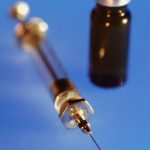
At this time of year, I get a lot of people asking me whether or not they should get the flu shot. The conversation goes something like this:
A lot of people: “Should I get the flu shot?”
Me: “I can’t make that decision for you.”
A lot of people: “But I’m not sure what to do. Do you get the flu shot?”
Me: “No, I don’t.”
A lot of people: “Do your kids get the flu shot?”
Me: “No, they don’t.”
A lot of people: “Why not?”
Me: “I feel that in my family’s case, there are better ways to prevent the flu than getting the flu shot. I did some reading on the topic, weighed the risks and benefits, and made a decision from there. I encourage others to do the same.”
A lot of people: “Can you share some of the things you based your own personal decision on?”
Me: “Sure, why don’t I do that right now.”
October marks the official start of flu season. That nasty flu brings on fever, aches and pains, headaches, and fatigue, and is often accompanied by cold symptoms. In Canada, the incidence of the flu is highest between October and March – a period of time when we get fewer hours of sunshine, and the rays are less intense. We are exposed to cold weather that impairs our virus-fighting white blood cells’ ability to deal with respiratory infections, and we are exposed to dry air that allows the virus to live longer outside of our body. (1)
I want to begin by emphasizing that the purpose of this month’s tip is not to recommend that you do or do not get a flu shot. Only you can make that decision for yourself based on your own situation, and what you are ultimately most comfortable with. I am simply sharing with you some of the information I considered to make my own decision.
First of all, I do not believe that we get the flu because our bodies are deficient in live and/or dead, naturally and/or unnaturally occurring viruses, nor because we are deficient in potentially suspect ingredients that are contained in some flu shots, including a mercury-based preservative called thimerosal. It is my understanding that the Centers for Disease Control and Prevention stated that thimerosal was still used in “multi-dose vials” that were produced for the 2012-2013 annual immunization campaign. This concerns me because it is also my understanding, based on various articles that I’ve read, that both of these potential flu shot ‘ingredients’ (unnatural viruses and mercury-based ingredients) have been associated with nervous system (includes the brain) and immune system dysfunctions. (2, 5)
There is also evidence that shows that flu shots simply don’t work. In an article I read by Dr. David Williams, entitled Why You Should Not Get the Flu Shot (3), he listed the following studies and their findings regarding the effectiveness of the flu shot:
-
The Archives of Pediatric & Adolescent Medicine reported that giving young children flu shots appeared to have no impact on flu-related doctor visits or hospitalizations during two recent flu seasons.
-
A large-scale, systematic review of 51 studies published in the Cochrane Database of Systematic Reviews found that the flu vaccine was no more effective for children than a placebo.
-
Research published in the American Journal of Respiratory and Critical Care Medicine similarly reported that there has been no decrease in deaths from influenza and pneumonia, despite the fact that vaccination coverage among the elderly has increased from 15 percent in 1980 to 65 percent today.
I personally don’t believe that getting a flu shot is the best way to protect myself from getting the flu. So, what do I believe is the best action I can take? For me, it comes down to doing things on a regular basis to naturally build my immunity – and there are loads of them. I mentioned some of the most important ones in my October 2009 Tip of the Month, “Ten Steps to Building Immunity Naturally”.
Of all of the items listed in that article, I want to highlight one of them here, and that is to make sure you are getting enough vitamin D. There are so many research studies which show that vitamin D deficiency is likely the reason for the seasonality of the flu – not the flu virus itself; therefore, taking vitamin D is likely the single most important and inexpensive thing you can do to prevent your risk of getting the flu.
According to a 2010 study from the Faculty of Medicine of the University of Alberta, “between 70% and 97% of Canadians demonstrate vitamin D deficiency. Furthermore, studies assessing 25(OH)D levels of vitamin D at 25-40nmol/litre reveal that many Canadians have profoundly deficient levels.” (4) If you want to know what your vitamin D level is, you can ask your doctor to test for it, or purchase a “do-it-yourself kit” (one source is The Vitamin D Council).
How much vitaminD should you supplement with? Many sources state that children under one year old can take up to 1,000 IU/day, children over two can take up to 2,000 IU/day, and adults (and adult sized children) can take anywhere from 3,000 to 5,000 IU/day. Some researchers suggest doubling these daily doses for a week or so if you feel you are coming down with something or if you get sick. For the latest recommendations and research regarding vitamin D, I suggest you check out The Vitamin D Council.
Please read (or re-read) my October 2009 Tip of the Month and see how you are doing in terms of taking steps to naturally build your immunity. In addition, take some time to look into the research on both the effectiveness and the safety of flu shots for your particular situation. You may end up saving yourself from a potentially ineffective and dangerous shot in the arm.
Take control of what you can!
Yours in health,
Anna
References
Fabulous Fast Fish Dinner
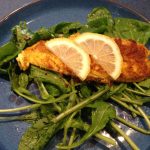
I hear a lot of people saying they should eat more fish, but they don’t know how to prepare it, other than BBQing salmon. Here’s a quick and delicious fish dinner that my family loves.
I hope you enjoy it too!
Step 1: Prep
 Put equal amounts of butter, coconut oil, and olive oil in a large skillet (about 2 TBSP of each).
Take 2 large fillets of your favourite white fish (we used one and a half fillets of haddock to feed 3), and coat it in a tablespoon or two of plain, organic kefir (or yogurt, or buttermilk, or eggs, or skip this step…it just helps the coating to stick better).
 Make the coating: I used about 1/4 cup of almond meal (almond flour), a tsp of turmeric (great anti-inflammatory spice), and a pinch of salt and pepper. You can use any combo of spices or dried herbs you like. Curry would be yummy!

Turn the pieces of fish in the coating mixture until they’re more or less covered.
Step 2: Cooking
 Turn the stove to medium/medium-low heat, and once the oils is ready (fish sizzles when it touches the oil), add the fish and cook until golden (about 5 minutes per side). I added a bit of water after I turned the fish the first time to add a bit of steam cooking action.
Step 3: Extras
 While the fish is cooking, make a salad. I found some gorgeous arugula at Produce Depot today. To this, I added 3 or 4 chopped up spring onions, a diced avocado, the fresh-squeezed juice of a lime, a couple of TBSP of cold expeller-pressed extra virgin olive oil, and some Herbamare (a combo of sea salt and dried herbs). While I didn’t have any on hand when I photographed this meal in the making, I usually add some cubed fresh pineapple to the salad. It tastes great with the fish, and pineapple contains bromelain which assists with the digestion of protein.
Step 4: Serving
Mix up the salad and put a generous pile on the plate. Put a piece of fish on it, garnish with a few lemon wedges (which the diner can squeeze to add some fresh lemon juice to the fish and salad if desired), and enjoy!
