Tips for Healthy Bones & Joints

I hope that you are all settling into the routine that comes to most of us when ‘back-to-school’ time rolls around. I had a great summer, capped off with a recent trip to Cape Cod and Boston. We stopped in Burlington, Vermont on the way home, where my daughters and I took in the fascinating ‘Our Body: The Universe Within’ exhibit.

The exhibit consisted of an ‘under the skin’ look at the various systems of the human body. As a Natural Health Practitioner and an Anatomy & Physiology instructor, you can imagine what an interesting experience this was for me. The part of the exhibit where I spent the most time was the skeletal system display. It contained so many interesting cross-section specimens through various bones and joints in the body. It was incredible how the bones all fit together to offer so many services to us: the shape and size of our bodies, protective caverns for our vital organs (e.g. the cranial bones to protect our brain, the ribs to protect our lungs and heart), turning frequencies/vibrations into audible sounds thanks to three extremely tiny bones in our ears (one was barely the size of a grain of rice!), and providing a strong foundation for our muscles to attach to providing us with our awesome mobility (our bones allow our muscles to function properly).

Since I found the skeletal system exhibit so interesting, and since September is National Arthritis Month, I thought it would be fitting to make this month’s tip about what we can do to support the health of our bones and joints.

There are so many things that affect the health of our bones and joints that there is no way I can cover them all in this monthly tip; however, I will give you one key recommendation from three different aspects of health: 

  1. Food
  2. Supplements
  3. Lifestyle

Note that for those of you who would be interested in a lot more information on how to keep your bones and joints healthy and strong, I’ll be giving a live presentation on Saturday, September 29th, from 9:30am to 12:30pm, at the International Academy Health Education Centre, 380 Forest Street (at Carling Avenue). The cost is $40 per person, and as always, will include a ‘loot bag’. Space is limited, so please email me at info@perfectresonance.com or phone me at 613-299-4022 to register.

1. FOOD

An important food recommendation that will help both our bones and our joints, is to make sure that the majority (75% to 80%) of the foods that we are eating are ‘alkaline-forming’ foods.  Let me explain what this means. Foods can be either alkaline-forming or acid-forming – and it is not related to the amount of ‘acid’ a food contains, but rather how the food will affect our body’s pH (acid-alkaline balance) after it is digested.  For instance, lemons contain a significant amount of acid in the form of citric acid, ascorbic acid (vitamin C) and malic acid. If you dipped a piece of pH paper into fresh squeezed lemon juice, you’d get a very acidic reading; however, once you digest it, it will create an alkaline ‘ash’ in the body – and this post-digestion ash by-product is what impacts the body’s pH. 

Without going into great detail, some of the most acid-forming foods are meats and dairy products from conventionally raised animals, most grains, and sugar. There is one food group that shines in terms of being highly alkaline-forming, and that is vegetables. So if you want your meals to be 75% alkaline-forming, then make 75% (three quarters) of your plate vegetables!  For those of you who attend the presentation, you will receive a detailed chart identifying foods in various categories (e.g. grains, dairy, fruit, nuts, fats & oils, sweeteners, etc) as either acid-or alkaline-forming. This chart is based on my review of numerous books, websites, and articles. I’ll also show you examples of delicious alkaline-forming meals. Why is striving for an alkaline body so important? One reason is that if our pH becomes too acidic, our body will respond by leaching calcium (our most alkaline mineral) out of our bones! Additionally, most chronic diseases thrive in an acid body. 

2.  SUPPLEMENTS

There is a mind-boggling number of products on the market for bone and joint care. Some of them deliver great results, some not so much. I’m betting that if I asked you what you thought the most important supplement was for healthy bones, most of you would say calcium. If I asked you what the most important supplement was for healthy joints, most of you would say glucosamine. Would you be right? Well, yes and no.

Not everyone needs calcium supplements, and too much calcium (especially the wrong kind), can lead to other problems, as excess calcium can deposit itself in the wrong places (think bone spurs, kidney stones, and calcification of various tissues in the body – including blood vessels). Not everyone needs a calcium supplement.  If you eat mostly alkaline-forming foods, you’ll be more than likely to be eating foods that are good sources of highly absorbable calcium (and homogenized/pasteurized milk isn’t one of them!). You should also beware of the foods that are ‘calcium thieves’, including sugar, wheat in all its forms, soft drinks, alcohol, excess table salt, some teas, and coffee (caffeine binds to calcium making it difficult to absorb). If you do take a calcium supplement, it’s important to take a form of calcium that will work with your body chemistry, and one that is combined with other minerals that assist the proper absorption of calcium, such as magnesium, and vitamins D and K, to name a few. I’ll talk more about supplements during my live presentation.

As for glucosamine, it can promote joint health, but dosage is important, as well as the presence of other supporting nutrients such as chondroitin, hyaluronic acid and collagen. The source of these nutrients is also very important as it affects how well the body can absorb and utilize them. The products that I have had the best results with among my clients are those that contain natural eggshell membrane (NEM). The action of the nutrients found in NEM is primarily to maintain the structure of the joint; however, in cases of arthritis, it is also necessary to deal with decreasing the inflammation in the joint. This can be done through avoiding inflammatory foods (wheat is a major one), and by adding anti-inflammatory foods and spices (such as turmeric and ginger), and anti-inflammatory supplements (such as omega-3 essential fatty acids) into our day. I’ll be sharing more ways to decrease inflammation in my live presentation.

3.  LIFESTYLE

Finally, there is lifestyle. There are certain factors that can increase our risk of developing unhealthy bones and joints. Let’s start with bones. Bone tissue is dynamic – it is constantly ‘remodelling’ itself through cycles of formation and destruction, both of which are normal processes. The problem occurs when destruction happens more rapidly or more frequently than formation.  Bone formation is encouraged whenever there is stress of a weight-bearing nature exerted on the bone; therefore, weight-bearing exercises are extremely important to promoting strong, dense bones. During my presentation, I’ll demonstrate a few bone-strengthening exercises that you can do anytime, anywhere! Even though bone strength typically begins to decline after the age of 30, it’s never too late to start rebuilding.

As for our joints, one of the main lifestyle risk factors for developing problems such as osteoarthritis (aka ‘wear and tear’ arthritis) is being overweight or obese, as the excess weight adds extra strain on the joints – especially those of the knees. In addition to exacerbating osteoarthritis, a recent study by researchers at the Mayo clinic found that obese individuals were 25% more likely to develop rheumatoid arthritis compared with people of normal weight. Apparently, proteins produced by the body’s fat cells are a major contributor to the development of the disease. I share numerous proven and practical tips for weight loss in my Mindful Weight Control Program webinar series. The program focuses on implementing step-by-step changes  to your nutritional and lifestyle choices, which will lead to many health improvements, including successful, long-term weight loss and maintenance. You can sign up to receive the first 30 minute webinar for free, and learn more about the program by visitinghttp://www.MindfulWeightControl.com

I hope that you will join me on Saturday, September 29th to learn more about what you can do to help promote the health of your bones and joints. Reserve your spot now by emailing info@perfectresonance.com or calling 613-299-4022. I look forward to seeing you there.

Take control of what you can!

Yours in health,

Anna

Fat Soluble Vitamins

This month I thought I’d write about a topic that is related to what I’ve been spending quite a bit of time on over the past few weeks, and that is: 1) preparing for one of several courses I’ll be teaching this fall, and 2) taking an extremely interesting course that will contribute to my annual requirement for continuing education credits. Both of these courses focus on nutrients that are essential to our health, so in this month’s tip, I’d like to briefly touch on the health benefits and food sources of some very important vitamins – the fat-soluble vitamins, A, D, E, and K.

They are called fat-soluble because their proper absorption and utilization can only occur in the presence of fat.  It’s important to note that our livers have the ability to store fat-soluble vitamins, which is also true for animals. This is why beef liver is commonly mentioned as a source of fat-soluble vitamins. In addition, they are abundantly found in animal products containing fat, such as red  meat, organ meats, fish oils, eggs, and full fat dairy products (especially raw milk and dairy products made from raw milk where available).

Here are a few basics about these powerful vitamins.

Vitamin A. This vitamin’s primary claim to fame is proper tissue growth, healing and repair. It is essential to the body’s assimilation of many important minerals and plays a major role in the health of our immune, reproductive and hormonal systems. It is also critical to the health of our eyes.

The best sources of vitamin A are seafood (e.g. oily fish such as salmon, mackerel and sardines, fish eggs/caviar/roe, fish liver/fish liver oils), and foods  from grass-fed animals (e.g. red meat, liver, butter, cheese, cream, egg yolks). There is NO vitamin A in plant foods. What plants can provide is  beta-carotene, which is a precursor to vitamin A. It takes several molecules of beta-carotene to make one molecule of vitamin A and the process is not very easy (and sometimes impossible) for babies, children, diabetics and many other individuals, due to insufficiencies with various organs (e.g. liver, thyroid), or organ systems in the body. Food sources of beta-carotene include carrots, dark leafy greens, and yellow or orange fruits and vegetables.

Vitamin D. I’ve written a few Tips about vitamin D in the past (see the November 2008 entry ‘Vitamin D – The Sunshine Vitamin’ in my Tip of the Month Library).  Most of us know that vitamin D is important for healthy bones. It is also very important in balancing insulin and blood sugar levels (important in weight management), a healthy nervous system (including our moods – vitamin D deficiency has been linked to Seasonal Affective Disorder), and boosting our immune system (vitamin D deficiency has been related to increased risk for various types of cancer, and unfortunately, the majority of us are deficient in this important vitamin). While the body can make vitamin D out of cholesterol (we need cholesterol!) when we expose our skin to sunlight, specifically UV-B rays, as with the conversion of beta-carotene to vitamin A, there are many factors that interfere with this process – including living in the Northern part of the world!

The active form of vitamin D in the body is vitamin D3 and the best sources are animal sources – similar to those of vitamin A (in particular, fatty fish and fish liver oils). This is not surprising, given that these two vitamins have many synergistic functions in the body. Interestingly, animals that are pasture-raised and get plenty of sunshine have higher levels of vitamin D in their tissues compared to factory-farm animals; another health benefit associated with eating pasture-raised animals/animal products. Since many people don’t get enough vitamin D through food sources, supplementation with vitamin D is often necessary to correct and prevent deficiencies, and is especially important for vegetarians and breastfed babies.

Vitamin E. There are many forms of vitamin E present in natural food sources. Vitamin E is a strong anti-oxidant, and therefore a natural preservative of the highly unstable polyunsaturated fats; in fact, vitamin E is nature’s way of preventing these fats from going rancid. When foods containing polyunsaturated fats (e.g. nuts, seeds, grains) are highly processed and refined and/or heated, the vitamin E is destroyed and can no longer keep the fats ‘fresh’. These oxidized fats should be avoided as they wreak havoc in the body, leading to numerous health issues. Vitamin E also assists in delivering oxygen to the body’s tissues, which is critical to good health – especially  heart health. It also plays an important role in the health of the reproductive system in both men and women. Good food sources include wheat germ oil, liver and other organ meats.

Vitamin K. There’s a lot of new research being done on this vitamin. I’ve heard many sources claim that vitamin K is the new vitamin D! It has long been known that the main function of vitamin K is blood coagulation (blood clotting), and that it plays a role in bone health. More recent research shows that vitamin K is critical to the proper utilization of calcium – in particular, preventing calcium from being deposited in places where it does more harm than good, including blood vessels.  Vitamin K has many synergistic roles with vitamins A and D, so once again, it is not surprising to find it in many of the same food sources as vitamins A and D (e.g. organ meats, egg yolks, full fat dairy products).  Good non-animal sources include dark leafy greens, green drinks (including liquid chlorophyll) and especially natto, which is a traditional Japanese breakfast food made with fermented soy beans. You can find natto in most Asian grocery or health food stores – look for organic, non-GMO brands. [Natto tip courtesy of my daughter: adding natto to soup (she uses miso soup) tastes good – and makes its ‘gooey’ strings melt away!]

The importance of fat-soluble vitamins to our health is best summarized by the findings of Dr. Weston A Price, the author of Nutrition and Physical Degeneration:

“A question arises as to the efficiency of the human body in removing all of the minerals from the ingested foods.  Extensive laboratory determinations have shown that most people cannot absorb more than half of the calcium and phosphorus from the foods eaten. The amounts utilized depend directly on the presence of other substances, particularly fat-soluble vitamins. It is at this point probably that the greatest breakdown in our modern diet takes place, namely, in the ingestion and utilization of adequate amounts of the special activating substances, including the vitamins [A and D] needed for rendering the minerals in the food available to the human system. It is possible to starve for minerals that are abundant in the foods eaten because they cannot be utilized without an adequate quantity of the fat-soluble activators.”

Bascially what Dr. Price is saying is that the common phrase, “You are what you eat”,doesn’t give us the entire story. A more correct saying is: “You are what you eat, digest, absorb and assimilate”  – and fat-soluble vitamins help us with this.

Fat-soluble vitamins are just ONE type of nutrient that the body requires for healthy, normal function. There are dozens more, including water-soluble vitamins (e.g. B vitamins, vitamin C), minerals (e.g. calcium, iron, zinc), essential fatty acids (e.g. omega-3s) and amino acids (e.g. lysine, tryptophan).  A deficiency in any of these nutrients can lead to a wide variety of health issues.

I get a lot of questions from clients about nutrients, such as:

  • Can we get all the nutrients we need from food?
  • What if I have problems with my digestion? Am I still absorbing my nutrients?
  • Should I be supplementing, and if so, what is the best way to do so?
  • What are signs that I’m getting too much of, or not enough of, a particular vitamin?

If you’d like to learn the answers to these questions and more, you may be interested in registering for a course I’ll be teaching on behalf of The International Academy Health Education Centre (http://www.intlacademy.com) starting next month. This 24-hour course will be held every Thursday evening from 6-8pm, for 12 weeks, from September 27th to December 13th  2012. No pre-requisites required. Click here to register or to get more information.

Hope to see you there!

Anna

References:

The Weston A Price Foundation

Green Drinks

Green drinks.

I can imagine that some of you are crinkling your nose and sticking your tongue out as you think: “Oh no! Not green drinks! Next thing you know, she’s going to tell me to eat bark and twigs!” Well, as Euell Gibbons once said (and I know I’m dating myself here), “Ever eat a pine tree? Many parts are edible.”

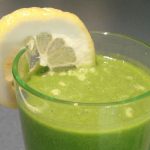
No need to fret!  I’m not going to ask you to consider eating a pine tree, or to drink a horrid tasting, chalky green drink mix. I’m asking you to consider adding a delicious, nutrient-rich, home-made ‘green smoothie’ to your day that has the potential to:

  • Burn fat
  • Increase your energy
  • Boost your bone density
  • Reduce inflammation, aches, and pains
  • Reduce your risk of diseases such as cancer, arthritis and heart disease
  • Boost your immune system

And that’s not all! Green drinks  aslo help to detoxify and alkalize the body (make it less acidic). These are both extremely important to vibrant health as a body that is struggling with toxins and acidity is a breeding ground for countless health issues.

While you might know that green drinks are a great source of fibre and nutrients (if prepared properly), you might not be aware that they can also be a great source of easily absorbable protein.  Some greens such as wheatgrass and spirulina are very high in protein and contain many of the building blocks (amino acids) that the body needs to build and repair tissues – including muscles!

Here is something else you may not know about green drinks – drinking a green drink is sometimes referred to as “getting a blood transfusion” in natural health circles. What is the connection between a green drink and our blood? The answer is chlorophyll.

You probably first heard about chlorophyll when you learned about photosynthesis in grade school.  Interestingly, the molecular structure of chlorophyll is almost identical to that of our own hemoglobin (a substance that gives our blood its oxygen-carrying ability). Chlorophyll enhances the oxygen-carrying ability of our blood, which will boost our energy and have positive effects in all parts of the body and in every part of our health.

Numerous sources state that chlorophyll has the power to regenerate our bodies at the molecular and cellular levels, as it helps to boost our immune function and eliminate toxins (including carcinogens = cancer causing substances). Even good ole Dr. Oz has been talking about the benefits of green drinks and the health-boosting effects of the chlorophyll they deliver. Way to go Dr. Oz! In fact, you can buy liquid chlorophyll at most health food stores and just add a splash to your drinking water (follow the directions on the label).

Beware of the many bottled green drinks that are popping up on grocery stores shelves. Some of them contain added sugar and artificial ingredients, and while they may be healthier than other bottled juices, they won’t offer the health boosting enzymes and nutrients of a fresh green drink you make yourself. It is recommended that you consume green drinks within 15 or 20 minutes of preparing them, as the nutrients and live enzymes start to deteriorate soon after.

There are LOADS of recipes for green drinks on the internet. Most suggest adding some fruit, and using greens such as sprouts, leafy greens of all kinds (kale is my absolute favourite), wheat or barley grasses, parsley, watercress, and celery – although the list is endless.  The trick is finding combinations that YOU like – or inventing your own!  When I have a green drink, I want it to be delicious – something that I am going to look forward to and enjoy drinking; not something I am dreading and that I’ll have to chug down while I plug my nose!

Here’s a recipe I came up with that I absolutely LOVE.  I make it in my VitaMix blender (which I also absolutely LOVE), but you’ll still have decent results with a regular blender. Here’s what you’ll need to make one large or two small servings:

  • A bunch of kale leaves, roughly chopped up (I used about 5 or 6 smaller leaves here). Remove the stalks from larger ones if they’re tough/woody. Kale is often referred to as a ‘super food’ as it provides one of the biggest nutritional punches compared to other greens.
  • A one-in248558_474066052615190_488578721_n[1]ch thick slice of fresh pineapple, cut in to chunks. Cut off the skin but leave the core in. Pineapple contains bromelain (which is concentrated in the core) – a substance that improves digestion and reduces inflammation. Pineapple is also very alkalizing to the body.
  • A 1/2 inch slice of lemon. I leave the rind on, wash well and buy organic if possible. Fresh lemon/lemon juice has too many health benefits to mention here, but a few include improving digestion, detoxification, and alkalizing the body.
  • A 1/4 inch slice of fresh ginger root. Ginger also has numerous health benefits, including alleviating digestive issues and decreasing inflammation. The ginger is going to add a bit of a spicy touch to the smoothie, so feel free to add it to taste.
  • 1/4 to 1/2 cup of water, depending on how thick you want the drink to be. Start by adding ¼ cup and then add more once you’ve blended it (if you want it less thick). If you like, you can add some ice to the blender to give it more of a slushy or smoothie consistency. You can also add a small splash of pure, unsweetened apple or pineapple juice.

Put everything in a blender and blend until it’s nice and smooth, adding more water if you want it thinner.

Next, enjoy!

382432_442927575729038_51917146_n[1]This drink is really appealing to children too – it tastes like a lemon slushy and looks like a really cool magic swamp potion! Shrek would love it! Let me know what you think!

Note: If you are on any blood-thinning/anti-coagulant medications, you should be aware that green drinks/chlorophyll are a good source of vitamin K, which can interfere with these medications. Talk to your doctor or health care practitioner should you have any concerns.

So, to summarize the tip for this month: GO GREEN! Make your own green drinks/smoothies, add a splash of liquid chlorophyll to your water, and eat your greens!
Cheers!

Anna

It’s Never Too Late to Plant a Seed

Gardening is in my blood – well at least it should be – and I try to focus on that positive notion every spring as opposed to focusing on my past gardening failures! My parents grew up on a farm in Italy where they lived off their land. My brother lives on 30 acres just outside of Kingston and virtually lives off of his land too. My parents and my brother have amazing vegetable gardens that reward them with a beautiful, vibrant, organic, nutrient-loaded harvest, and luckily, I am rewarded with parents and a brother who love to share!  Here’s a picture of my brother’s ‘modest’ garden (I’ll be doing a bit more show and tell in this month’s article):

In the past, I did what I could with the limited time and limited space I have in my backyard that receives adequate sunshine; however, lately  it seems circumstances are pushing me in the direction to do more. One example is that last fall, we unfortunately lost a huge tree in the backyard – it just fell over!

The upside of loosing this tree was more sunshine in the backyard (more sunshine = more successful vegetable garden!) which lead to a slightly bigger veggie patch for me this year. Not quite like my brother’s but it’s a start!

A more recent circumstance was meeting someone who lives minutes away who is extremely knowledgeable and passionate about helping people and communities grow their own veggies.  About a month ago, I read a short article entitled ‘Local Food Initiatives’  in my Community Association’s newsletter which prompted me to contact Tom Marcantonio.

The article was about a new community association board position called ‘Food Production Co-ordinator’ and I learned that Tom is currently occupying this position in his community. Tom is an Urban Farmer, a Master Gardener, a Garden Consultant, and a Certified Permaculture Designer. He is also affiliated with the Canadian Organic Growers, and is involved in implementing school garden programs at Woodroffe High School and other west end schools.  The goal of Tom’s Food Production Co-ordinator position is to ‘assist and encourage those citizens who wish to supplement their grocery store food with local, organic, and home grown food’.  I read that and thought“Hey! That sounds like me! I need to meet this fellow!”

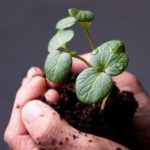
I contacted Tom and we met for a chat at a local coffee shop. I learned that Tom holds workshops outlining the basic, simple principles and approaches of growing organic food in our backyards or in community gardens. I proudly told him about my gardening efforts for this season, but how I already seemed to have a ‘bald spot’ in my garden thanks to what is already looking like two failed ‘crops’ (carrots and peas). I lamented to Tom about how it’s now too late to plant anything else. Tom’s encouraging response was:  “It’s never too late to plant a seed!”  What a great attitude (for vegetable gardening and for life in general!).

Tom proceeded to give me some great advice on what crops I could still plant to fill in my veggie garden’s ‘bald spot’.  He also told me about SO many initiatives that he is involved with to help individuals and communities who would like to get involved with providing more locally and organically grown foods to their families – and I want to share some of this information with you, courtesy of Tom.

If you wanted to try growing some vegetables this season (even potted tomato plants or herbs on your balcony or deck counts!), but haven’t had a chance to, and think it’s too late, it’s not! In Ottawa, we’ve been guided by the maxim to plant our gardens on Victoria Day weekend; however, this is just a general rule and following it to a tee doesn’t serve us well. On many seed packs, the instructions state that the seeds should be planted as soon as the ground can be worked. These seeds, from early frost crops such as lettuce, arugula, rapini, spinach, beets, carrots, radishes, potatoes, peas, and onions, can be sown as early as late March/early April in the Ottawa area – just as soon as the soil has dried out and doesn’t clump. Below is a list of frost hardy vegetables and the time it takes (in days) from sowing to harvesting, listed from quickest to longest growing times:

  • Radishes (23)
  • Mustard Greens (30)
  • Asian Greens (40)
  • Onions (40)
  • Kale (40)
  • Lettuce (45)
  • Spinach (45)
  • Carrots (50)
  • Chard (50)
  • Beets (52)
  • Peas – early (54)
  • Broccoli (55)

There were quite a few things on this list that I didn’t plant and just figured it was too late to plant them now; however it’s not! I was extremely fortunate to get some of these going faster than I thought as Tom came to the rescue with transplants from his garden.

My garden’s bald  spot went from this…

…to this in just a few minutes!

Thanks to Tom, I instantly have a variety of new plants including lettuces, mustard greens, herbs, onions and edible flowers!

Here are some great tips that Tom shared to keep a vegetable garden full and productive for the entire growing season:

  • Look for quick maturing vegetables as you can keep planting the seeds regularly, provided you give the plants the conditions they need. Most seeds love growing in spring conditions, which can be simulated later in the season by planting seeds in cooler, shadier spots, keeping them moist and transplanting the seedlings they’re well established.
  • As the growing season progresses, it’s important to visit your garden daily to ensure you harvest at the peak of flavour and nutrients. Even a single hot day can advance a plant’s life cycle to the flower and seed stage where the flavour quickly deteriorates/becomes bitter
  • As the growing season progresses and there is still space in the garden (perhaps as a result of early greens being harvested, or as in my case, a failed crop), try getting a hold of some transplants. Late frost in Ottawa is around mid-October so choose transplants with the intention to harvest before this time. It’s possible to plant hot season crops like tomatoes, basil, cucumbers, squashes and zucchini right up until the end of June – and this is when most plant vendors are keen to liquidate their inventory, so you may be able to get some great deals. Shop around as it may be difficult to find healthy, vigorous transplants at this time of year.  Growing your own transplants from seeds, indoors and under lights, is by far the best way to ensure a good source.  Either way, note that it would be wise to pay these late plantings a bit more attention to ensure they are watered and fertilized adequately. Whenever you start seedlings indoors, be sure to gradually introduce them to the outdoors to give them a chance to get used to the sun.
  • As summer blazes on, it’s time to start thinking about fall crops – and most plants that grow in the spring will grow wonderfully in the fall – carrots sweeten after a light frost and there is nothing like late fall crunchy lettuce leaves.  Look for short season crops and consider starting them indoors in late July/early August for best results. Gradually introduce them outdoors for a fall harvest – perhaps even into December in some years if you provide them with some rudimentary protection.

Ottawa’s local food and gardening scene is vibrant and exciting ! Here are a few websites that Tom recommends if you are keen on growing some of your own flavourful and nutritious foods and/or want to support the initiative of helping your community establish a source of local, organic vegetables.

http://www.justfood.ca/

http://www.cog.ca/chapters/ottawa/

http://mgottawa.mgoi.ca/

http://www.woodpark.ca/WELL/index.html

Imagine yourself, your local school cafeterias, your work place cafeterias and your favourite local restaurants preparing meals with organically grown vegetables and herbs fresh out of their own garden or local community garden. Please encourage your Community Association to create a Food Production Coordinator position. For more information and assistance on how to establish this position and start a Local Food Initiative program in your neighbourhood, please email Tom attmarc@rogers.com.  Tom also supplies organic seedlings if you’re interested.

Remember: It’s never too late to plant a seed!

Yours in health,

Anna

Tired, In Pain or Overweight? You Could Have a Hidden Food Sensitivity

Low energy, fatigue, depression, irritability, hyperactivity, skin problems such as eczema and psoriasis, joint pain, headaches, migraines, sinus issues, repetitive throat clearing, problems losing weight, and digestive issues such as bloating, gas, constipation and diarrhea. Perhaps you, or someone you know, suffers from one or more of these symptoms and have come to accept them as par for the course. But they don’t have to be.

Did you know that the above symptoms (and many more) potentially all have something in common? This article sheds a bit of light on this issue and what you can do about it.

When you hear the words ‘food sensitivity’, do you think of a situation where someone eats a particular food – maybe a strawberry, or a shrimp, or a baked good – and then immediately breaks out in hives or a rash, or worse yet, has a life-threatening anaphylactic reaction where their throat closes and their tongue swells up within seconds or minutes of consuming the food and they have to use an Epi-pen to save their life? A food sensitivity doesn’t usually trigger those types of obvious, immediate symptoms. Chances are you likely won’t even associate the food with the symptom it is causing. This is because it’s a delayed reaction – in fact, the body can be adversely affected by the offending food for up to 72 hours after it’s eaten!

The result of this type of sensitivity often manifests itself as on-going symptoms or health issues, that usually aren’t obviously related to what we’re putting in, or on, our body. That is why they are often referred to as “hidden” sensitivities.

Many of us often become de-sensitized to, and ignore the symptoms caused by food sensitivities, accepting them as part of our every day life – like chronic sinus congestion, or skin rashes that never really go away, despite all the lotions and potions we’ve tried (I had one of those skin rashes. Avoiding wheat finally got rid of it!). So, it’s important that we pay attention to these symptoms and take action to address them. You see, symptoms aren’t a bad thing – in fact, we should be grateful for them because they are the body’s way of getting our attention; making us aware that something isn’t right and that we need to change something that we’re doing.

Unfortunately, instead of getting to the bottom of our symptoms, many of us turn to short-term, band-aid solutions that will give us some relief – like having a couple of extra cups or coffee to deal with our fatigue, or taking a couple of ibuprofens for yet another headache. But you know what? Our fatigue isn’t due to a coffee deficiency – and our headache isn’t due to an ibuprofen deficiency. In fact, chances are that if all we do is rely on band-aid solutions, over time, our symptoms will get worse. Hidden food sensitivities can also make it difficult for us to control our appetite and lose weight – and they can cause us to retain fat.

The underlying reason why food sensitivities can lead to so many problems is that they cause inflammation in the body.  Consider the fact that the average person eats the same 15 foods on a weekly basis.  If these include one or two or three foods that they’re sensitive to, there’s going to be constant inflammation in their body – and even inflammation that you can’t see or feel plays havoc with your health.

It’s sometimes difficult to ‘expose’ hidden food sensitivities – especially if we consume packaged and processed foods since most of them contain many of the foods that are commonly the source of food sensitivities – including wheat, dairy and soy – as well as additives and preservatives that can also disrupt our health and trigger symptoms.

I’ve had some clients who have told me that they’ve tried elimination diets, where they completely avoid the suspected offending food from their meals and snacks for several weeks to see if they notice any difference. Sometimes this can provide answers, but in many cases it doesn’t.

If you experience any of the symptoms listed at the beginning of this article, have difficulty controlling your appetite or losing weight, or perhaps have other  ‘unexplainable’ symptoms that you’ve just learned to live with, you may wish to consider food sensitivity testing. I offer a non-invasive test using a medical device called an MSAS Pro.

I’ve had great results with this system, even in those situations where we’ve had to find the needle in the hay-stack, so to speak, in terms of identifying the offending food or ingredient (it is also possible to test for chemical and environmental sensitivities).

If you’re interested in this type of testing, please contact me at info@perfectresonance.com.  You can read more about it in the Solutions section of the website.

Take control of what you can!

I Have a Beef with Harvard’s Red Meat Study

A recent study from Harvard School of Public Health researchers that was published online in the Archives of Internal Medicine last month claims that eating red meat is associated with an increased risk of total, cardiovascular, and cancer mortality (deaths).

Since this study came out, I’ve heard quite a few people jumping on the ‘red meat is going to kill you’ band wagon. Before any of you do that, here are a couple of things you should consider:

  1. Many experts have pointed out several flaws with the Harvard study; and
  2. The study completely ignored the numerous health benefits of pastured grass-fed meat.

Let’s take a closer look at each of these.

1 – Study Flaws

I recently listened to a 30 minute interview broadcast on wbai.org (World Broadcast Associates Inc) called “Red Meat: Bane or Boon: A Look at the Medical Evidence”,which exposed the following flaws of the Harvard study:

  • The Harvard study was an ‘observational study’. This type of study doesn’t use classic control groups, rather it draws inferences about ‘possible’ effects. These types of studies are often fraught with flaws as they do not establish clear or valid ’cause and effect’ relationships. To establish a valid cause and effect relationship, the researchers should have used an ‘interventional study’, where one group eats no red meat, the other group eats red meat, and every single other thing about the two groups is exactly the same; then the two groups are followed for a period of time. In this type of study, since red meat is the ONLY variable that is different between the two groups, the outcome can be linked to the absence or presence of red meat in the diet with a satisfactory level of validity (aka ‘statistically significant’).
  • Reknowned nutrition writers and professors of advanced statistics have found critical errors with the study design.  Nutrition writer Denise Minger (http://rawfoodsos.com) prepared a recent analysis of the new Harvard red meat study and she noted “the folks eating the most red meat were also the least physically active, the most likely to smoke, the least likely to take a multi-vitamin, had higher BMIs which is a measurement of obesity, higher alcohol intake, and a trend towards less healthy non-red meat food choices.  Although the researchers tried their darndest to adjust for confusing factors, not even fancy-pants math tricks can compensate for the immeasurable details involved in unhealthy living – as well as the tendency for folks to misreport their diet and exercise habits and whatever mild insanity emerges from trying to remember every food that hit your tongue over the past year.”
  • Ned Cox, professor of advanced statistics at Texas A & N International U, who has dissected several medical studies included that the Harvard researchers in this study made a critical error in failing to control for two factors that skewed the results – gender and diabeties:
    • GENDER – the women consumed a lot more red meat than the men, yet they died at lower rates than men, but the authors averaged the results of the women with those of the men, so this key distinction was submerged
    • DIABETES. The second factor he said the researchers should have controlled for was diabetes incidence due to excess calorie intake. Prof. Cox analysis found that the more red meat that was consumed, the fewer people died from diabetes

He stated “The data reported by the authors suggests that when we control for biological sex and incidence of diabetes, an extra 234 grams of red meat per day, is associated with a REDUCTION in mortality of approximately 23%. That was the exact opposite of what was reported by the authors”. Then he notes, not incidentally, that what sounds like a big effect, this 23%, is a minute effect, just like the effect of the red meat on mortality that was reported by the authors – e.g. the actual number of deaths aren’t even that big in the first place, but in any case, when controlled by these other factors, it’s actually not an increase, it’s a reduction.

In addition to the numerous research flaws, the study also completely ignored loads of relevant information from a biochemical and nutritional perspective:

  •  ‘a meta, or combined analysis of 167 cholesterol  feeding experiments found that raising dietary cholesterol  had a negligible effect on blood cholesterol and no link to CHD risk” (1)
  • “There are human cultures consuming 80% of their calories in the form of saturated fat with NO coronary heart disease” (1)
  • It is a BIOCHEMICAL FACT that dietary cholesterol (e.g. eggs, butter and red meat from grass-fed/pastured animals) has little impact on increasing the risk of cardiovascular disease.  We get into trouble when the body is allowed to CREATE cholesterol (which it will do when we’re not getting enough from naturally raised animal products such as eggs, butter and red meat!). The creation of cholesterol and fat in our bodies comes from the modification of sugar molecules – glucose and fructose – from wherever they come from – and this is what is hazardous to our health. This  is where it gets dangerous…when we’re creating cholesterol and from glucose….NOT from the consumption of cholesterol  from healthy food items that contain it. It’s also important to note that it’s not just the obvious sources of sugar that contribute to this problem (e.g. cakes, candies, soft drinks, processed foods, etc), but also from foods that are metabolised (broken down by our digestion) into sugar, such as grains and grain products. (2)

2 – Meat Flaws

While I have several health concerns regarding grain-fed, feedlot meat (what is typically sold at most grocery stores), and feel that its consumption may very well lead to all of the health risks mentioned in the Harvard study, grass-fed, pastured meat supports good health.

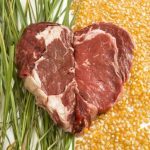
The Harvard study completely ignored the difference between meat from animals raised in crowded feedlots that are typically fed genetically modified corn and routinely given liberal doses of antibiotics, versus pastured, grass-fed beef. Why is this a big deal? Consider the following:

  • Among its numerous health benefits, compared to corn-fed, feedlot beef, pastured grass-fed beef is 4x higher in vitamin E, 5x higher in total omega-3 fatty acids, 4x higher in selenium and higher in B1, B2, calcium, magnesium and K; each of which have been found at different degrees to help prevent cardiovascular disease, cancer and depression (5)
  • The omega-3 fatty acid profile of grass-fed meat is similar to that of fatty fish (3)
  • Grass-fed cows produce meat that is higher in conjugated linoleic acid (CLA), a healthy fat that fights obesity; carotenoids, organic antioxidant pigments that protect cells from cancer-causing free radicals and promote healthy immunity and reproductive function; and vitamin E tocopherols, which protect against cardiovascular disease and cancer (3)

A comprehensive study conducted by researchers from California State University (CSU) in Chico, and the University of California (UC), Davis, that was published in Nutrition Journal in 2010 is just one of many that shows the major differences between grain-fed, feedlot meat and grass-fed, pastured meat.

In this study, researchers evaluated the way feeding cattle grass, which is their natural food of choice, compares to feeding them grains, which is not their natural food of choice and is often responsible for making them sick. They found that in virtually every nutritional category evaluated, grass-fed meat was far superior to grain-fed meat. The saying “you are what you eat” applies to animals too you know! How healthy would your fat and meat/muscles be if you were not only given corn or soy meal or random ‘by-products’ to eat all your life, but also forced to live in conditions that were so crowded and unsanitary that antibiotics had to be routinely added to your feed so that you’d live your miserable and unhealthy life long enough to make it to the slaughter house?

Pastured grass-fed meat (or ‘happy cow’ as we call it in our family) offers many health benefits, and in my opinion, it is an important part of a healthy, balanced diet. It should not be lumped in with corn-fed, feedlot beef! I would bet that if the Harvard researchers did a study of people who ate pastured, grass-fed meat versus those who ate corn-fed feedlot beef, their conclusions would be strikingly different.

To learn more about the benefits of grass-fed meats, I encourage you to visit:http://www.eatwild.com/basics.html and to check out the references listed at the bottom of this article.

To purchase grass-fed beef and other red meats, take a trip to your local farmers’ markets. Ask questions about how the animals are raised – and if you have time, visit the farm. If you live in the Ottawa area, check out Dobson’s Grass Fed Beef Farm http://www.dobsonfarm.com/history.html. I’ve purchased my meat from Dobson Farm for several years now. It’s delivered to my door, cut to my wishes, it’s a great value (I buy a quarter cow at a time) and it tastes great. To find other sources of grass-fed red meat, click on the link to your local WAPF chapter athttp://www.westonaprice.org/local-chapters/find-a-local-chapter and then go to the ‘Where to Shop Tab’.

Variety and moderation are the keys to so many things in life – including our food and our health. A piece of pastured grass-fed beef with several servings of veggies is a wonderfully balanced, healthy and nutritious meal.

Enjoy!

Anna

References

  1. Vegetarian Myth: Food justice and Accountability by Lierre Keith, 2009 (this book has a chapter debunking the alleged link between red meat and various illnesses and death)
  2. Dr James Carlson (http://www.drjamescarlson.com) – quote from WBIA broadcast


What’s The Big Fat Problem Anyway?

March is Nutrition Month and so I have been getting requests from a number of organizations to give a nutrition-related presentation to their staff.

I love giving presentations as they give me the opportunity to educate more people on the importance of making the right food and supplement decisions to support overall good health.

  • Is margarine better than butter?
  • Will eating eggs and beef raise my cholesterol?
  • Is canola oil better than olive oil?
  • Can I cook with olive oil?
  • What’s the healthiest oil to cook with?
  • Should I be avoiding fat to lose weight?
  • Is it true that some fats promote weight loss?
  • How can a product with a zero trans fat claim actually contain trans fats?
  • Why are omega-3 fats so important and why are most of us are deficient in them?

Do you know the ‘real’ answers to the above questions? Are you sure or could you be making big fat mistakes?  Being misinformed can be hazardous to your health, so I’d like to help you learn the right answers!

When I am approached to give presentations, I always ask if there is a particular topic that is of interest to the audience-to-be.  Sometimes I do get specific requests, but the response I most often get is, “No, not really. Just come and talk to us about overall good nutrition and health.” Since that’s not something that can be covered in an hour or two, when the topic is left to my discretion, I like to start with the one area of nutrition that is not only so very important to numerous areas of our health, but also the area that in my experience, seems to be surrounded by the most confusion – and that is the topic of fats.

When I say fats, I’m talking about fats and oils, such as butter, margarine, olive oil, canola oil, sesame seed oil, coconut oil, omega-3 oils (like those found in fish and fish oil supplements), corn oil, soy oil, grapeseed oil – you get the idea.

Fats are absolutely essential to so many critical roles in the body. Here are just a few examples:

  • Structural:  Fats, including cholesterol, are the most critical components of  healthy cell membranes, which are the foundation of our overall health.
  • Energy storage:  We can store and burn fat for energy.
  • Body temperature:  Fat acts as insulation and is instrumental in body temperature regulation.
  • Hormones: Fats, including cholesterol, are the building blocks for powerful hormones that regulate many processes in the body.
  • Carrier of fat soluble vitamins:  We need fat to absorb and utilize vitamins A, D, E and K – all of which have so many health-boosting roles in the body.
  • Protection/Insulation:  Our organs depend on a coating of fat to protect and insulate them from trauma.
  • Proper nerve function:  Nerves have a fat-like coating wrapped around them called the myelin sheath. This fatty sheath allows for proper nerve impulse conduction throughout the body.
  • Proper brain function:  Approximately 60% of the brain is fat. We need healthy fats, including cholesterol, for healthy brain function and the production of neurotransmitters (chemicals that affect brain function, nerve function, mood and behaviour).
  • Weight loss:   We have to eat fat to lose fat! Eating certain fats will actually help us to lose fat!

Fats come in numerous forms and while not all fats are evil, some of them can do more harm than good when it comes to promoting our health – and unfortunately, many people are confused and often  misinformed about this issue.

So, what fats are healthy and what fats are not?

In honour of Nutrition Month, I will be giving a one-hour presentation entitled “The Skinny on Fats: The Good, The Bad and The Ugly”.  During this presentation, I’ll separate fact from fiction when it comes to fats.

Here are just a few of the quetions I’ll be answering:

Should fats be avoided? If so, why and which ones?

Are unsaturated fats like vegetable oils and margarines healthier than saturated fats like those found in butter, eggs and meat?

Which fats make us fat? Which fats help us lose weight?

Learn about the ‘big fat problem’ that has the potential to increase your risk of cancer, heart disease, obesity and numerous other health issues, and more importantly, what you can do about it.

Presentation details are as follows:

Date: Wednesday March 28th 2012

Time:  7:00pm – 8:00pm

Location: International Academy Health Education Centre, 380 Forest Street (off of Carling, just a few blocks west of Lincoln Fields Shopping Centre. Parking available on Forest Street.

Reserving Your Spot: Space is limited to 30 people, so please RSVP toinfo@perfectresonance.com to reserve your spot today!

Cost: $10 per person, payable at the door (by cash or cheque), with 50% of proceeds to be donated to The Ottawa Food Bank….and you’ll receive a loot bag of healthy product samples!

I’m looking forward to seeing you there and sharing loads of great info with you!

Yours in health,

Anna

Privacy Policy

Website Maintenance and Services by Andrew Wardell