
It’s no news that sugar is strongly associated with numerous health issues and diseases, including diabetes, heart disease, obesity, cancer, and Alzheimer’s; however, thanks to clever marketing, many popular foods associated with some pretty awesome health claims, are actually some of the sneakiest ways that sugar is getting past your lips and going straight to your hips…and brain…and heart…and not doing any good in any of these places!
Beware of these 5 sugar-coated ‘lies’ associated with some common ‘health foods’. Blindly believing them may actually do more harm than good when it comes to your health!
#1 – Yogurt is a Health Food
 While yogurt can be healthy, many popular grocery-store brands are nothing more than a sugary snack. Check out this photo from www.sugarstacks.com showing how much sugar is in a serving of one popular brand of yogurt – it’s virtually the same amount (or more!) of sugar you’d get from a 6oz serving of certain soft drinks! A popularly advertised health claim for these sugary yogurts is that they’re a great source of ‘probiotics’ (aka ‘good’ bacteria). Ironically, sugar is the ‘enemy’ of good bacteria because it feeds bad bacteria! Want yogurt? Buy (or make your own) plain, FULL fat, organic yogurt, and if you want it to be fruity, add your own fresh fruit just before serving. If you want a bit more flavour, add a sprinkle of cinnamon, or a bit of raw honey, or some shredded unsweetened coconut, or a splash or pure vanilla extract, or all of the above!
#2 – Artificial Sweeteners are a Healthy Sugar Substitute
 Artificial sweeteners such as aspartame and sucralose have been shown to interfere with hormones that control appetite, and lead to food urges and overeating. One of the reasons this happens is that while artificial sweeteners trick your taste buds’ craving for sugar, they don’t trick your body and brain’s craving for it…so you actually crave more sweet stuff! In fact, studies have shown that consuming foods and drinks containing artificial sweeteners promotes overeating and weight gain…and if that isn’t bad enough, some break down in to toxic substances that can cross the blood-brain barrier and literally over-excite and ‘burn-out’ brain cells. If you need to add some ‘sweetness’ to coffee, tea, or other beverages, try pure stevia extract, xylitol, or even a bit of cane sugar…at least cane sugar is natural!
#3 – Low-Fat Versions of Packaged Foods Contain Less Sugar
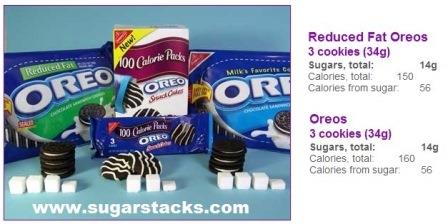 When packaged food manufacturers come out with ‘low-fat’ versions of their food, something is often added to make up for the lack of taste and texture that fat provides. What is typically added is more sugar! The proof is in the label. Compare the labels of ‘regular fat’ and ‘low fat’ versions of a packaged food next time you have a chance and check it out for yourself (and no, I am not suggesting you add full-fat cookie sandwiches to your shopping cart!).
#4 – Gluten-Free Foods are Healthy
 Gluten-free packaged foods are popping up everywhere and most people have the impression that they are health foods. The truth is that just like other packaged foods, gluten-free versions can be highly processed, full of sugar and artificial ingredients, and made from wheat flour alternatives – such as potato starch, tapioca starch, and rice flour – that raise blood sugar more than wheat flour and sugar do!!!
#5 – Whole Grain Foods are Healthy
 Eating more whole grains is a common recommendation for reducing the risk of diabetes and cardiovascular disease. The truth is that many foods boasting a ‘whole grains’ health claim are actually harming our health. Part of the problem has to do with the wishy-washy definition of the term ‘whole grain’ and the fact that whole grains used in packaged foods are usually highly processed. The processing of grains can involve pretty high temperature and pressure methods such as grinding, puffing, flaking, and extruding – all of which can destroy any nutrition the whole grain had to offer – except for the starches which our body quickly metabolizes in to sugar.
Since many products claiming to be made with whole grains are mostly refined flour with some whole grains sprinkled in, to get what is considered a full serving of ‘whole grains’ into you, you’d have to eat a ton of most of these products. Even junk foods are jumping on the whole-grain marketing band wagon; think sugary, rainbow coloured ‘whole grain’ breakfast cereals . Magically delicious or magically deceptive? In fact, a recent Harvard study compared the nutrient profile of 545 grain products and found that those that had a ‘whole grains’ claim on the package contained more sugar than those that didn’t – and they were also more expensive. If you want to make whole grains a part of your diet, buy whole, intact grains, such as steel cut oats, wild rice, or amaranth, and cook them up to make an old-fashioned porridge or healthy side dish. Once the grains are cooked, mix in a healthy fat such as butter, coconut oil, or olive oil to slow down the absorption of the grain’s starch (sugar) to avoid spiking your blood sugar. If it goes up fast, it’ll likley come crashing down fast too.
Personally I avoid grains, grain products, and all things starchy including bread, wraps, rice, crackers, corn chips, corn, rice, pasta, potatoes, etc, etc, and encourage many of my clients to do the same. At this point, I usually get the question: “No grains? What am I supposed to eat?”
I’ll be sharing my favourite grain-free alternatives for pasta and rice in my upcoming Recipe and Video of the month, but until then, here are a few simple and delicious things you can try out:
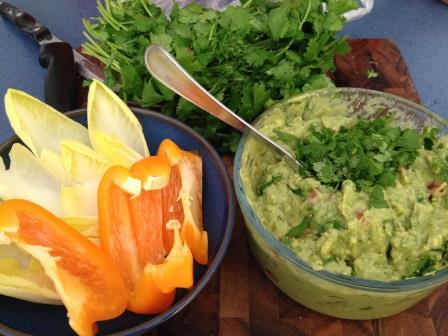
Use Belgian endive leaves as an alternative to ‘scooping chips’ for dips of all kinds:

Use Boston bib lettuce leaves (or other big lettuce leaves) as an alternative to buns, wraps, or tortillas:

Use ground nuts as an alternative to flour in pie/quiche crusts and other baking:

Don’t those look delicious?
Remember…take control of what you can!
Anna














 Carrots have always been associated with good eyesight. After all, have you ever seen a rabbit with eye glasses? Interestingly, studies show that cooked carrots have a higher concentration of beta carotene than raw carrots do. Some sources also claim that to get the most nutrients from raw carrots, they should be grated – a great addition to any salad!


